
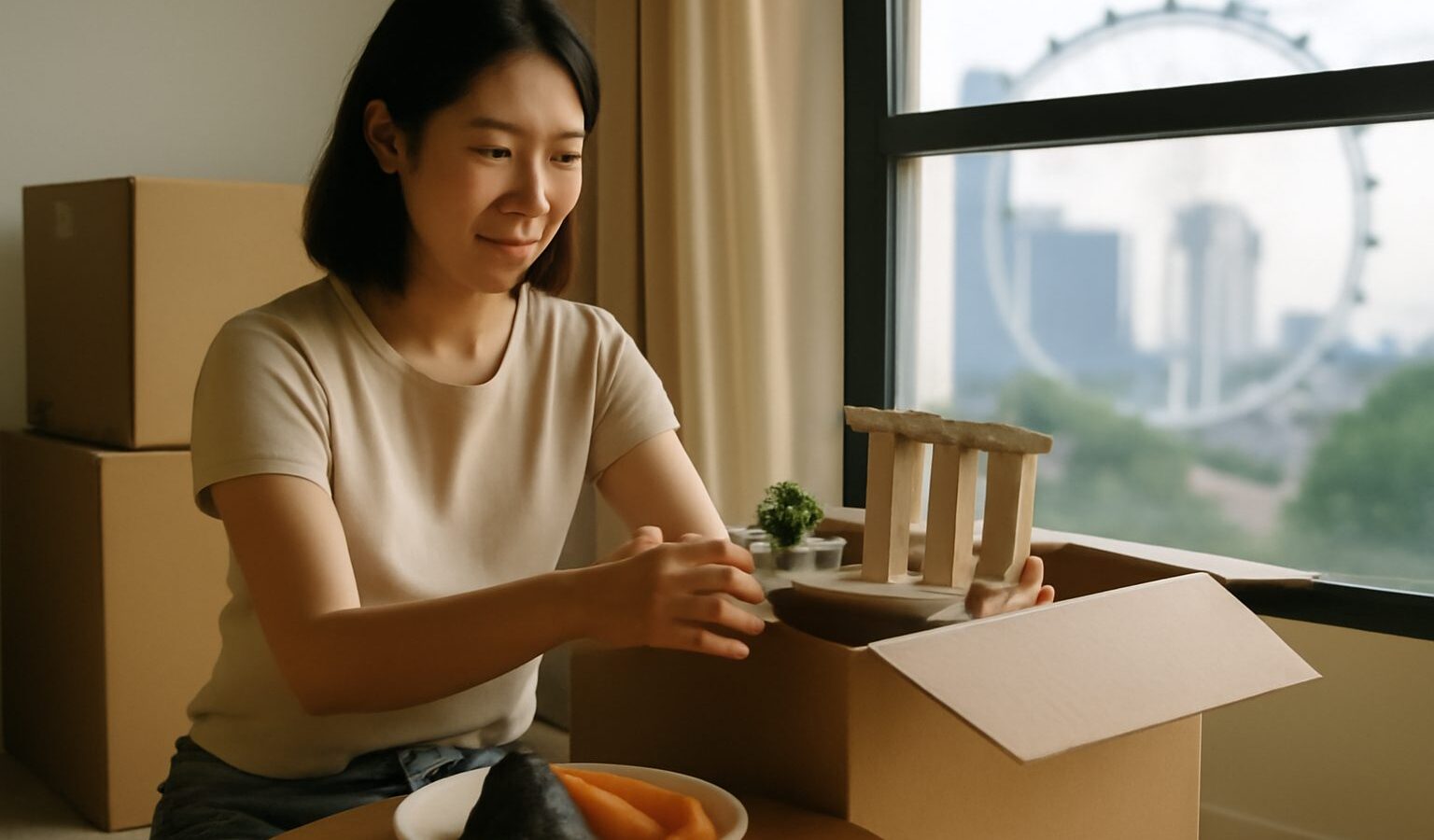
Moving to Singapore from South Korea takes you from one dynamic, high achieving Asian society to another, and many Korean newcomers find the transition smoother than expected. Both places are safe, technologically advanced and proud of their food, and Singapore has a growing, well supported Korean community. Even so, the tropical climate, the multicultural mix and the English speaking environment mark real differences from life in Seoul or Busan, and understanding them early helps you settle in with confidence.
This is general orientation for anyone considering or planning the move, not immigration, tax or legal advice. For work passes, visas and residency, always follow the Ministry of Manpower (MOM) and the Immigration and Checkpoints Authority (ICA). Their current rules are the ones that apply, and they change from time to time.
What will feel familiar
Coming from South Korea, a lot about Singapore will feel comfortable. Both societies are safe and orderly, so walking around at night, using late transport and trusting public spaces will feel natural. Both are highly connected and tech forward, with fast internet, widespread cashless payments and smooth digital services, so the everyday digital life you are used to carries over well.
Public transport is another familiar comfort. Singapore’s MRT and buses are clean, efficient and punctual, much like the systems in Seoul, and many residents live happily without a car. City living, dense and convenient, with shops, food and services close at hand, will feel recognisable.
There is also a lively Korean presence to lean on. Singapore has Korean supermarkets, restaurants, churches and community groups, along with a strong appetite for Korean food, culture and entertainment. K dramas, K pop and Korean cuisine are genuinely popular here, so you will find both familiar tastes and a warm reception for where you come from.
What will feel different
The climate is the biggest and most immediate change. South Korea has four clear seasons, from freezing, snowy winters to hot summers and crisp spring and autumn months. Singapore lies almost on the equator and is warm and humid all year, with no seasons and frequent short downpours. Escaping harsh winters is a relief for many, but the constant heat and humidity, and moving between outdoor warmth and strong indoor air conditioning, takes real adjustment.
Language is another shift. In South Korea, daily life runs mostly in Korean. In Singapore, English is the working language and is used across government, business, schools and shops, which makes settling in easier for English speakers and a meaningful change for anyone used to living mainly in Korean. You will also meet Singlish, the local English, along with Mandarin, Malay and Tamil as official languages.
Culturally, Singapore is a multicultural blend of Chinese, Malay, Indian and other communities, rather than the more homogeneous society familiar from Korea. That diversity shows up in festivals, places of worship, everyday customs and, above all, food. Social interactions can feel a little more relaxed and less hierarchical in some settings than the strong seniority conventions of Korean workplaces, though courtesy and respect remain important.
Food beyond the Korean options is a daily pleasure. Hawker centres serve affordable dishes from many cultures, and eating out is a way of life. Flavours span mild to fiery, and while Koreans are no strangers to spice, the range of cuisines on offer is a genuine adventure worth exploring with an open mind.
A quick side by side
The table below sets out common contrasts in general terms. Use it for orientation rather than as a precise measure, since everyone’s situation is different.
| At a glance | South Korea | Singapore |
|---|---|---|
| Climate | Four seasons, cold winters | Warm and humid all year |
| Everyday language | Mainly Korean | English, plus Mandarin, Malay, Tamil |
| Society | More homogeneous | Multicultural mix |
| Getting around | Excellent metro, car optional | Excellent MRT, car optional |
| Food culture | Distinct Korean cuisine | Diverse hawker fare |
| Shared strengths | Safe, tech forward, orderly | Safe, tech forward, orderly |
Cost, housing and daily life
Both Singapore and Seoul can be expensive, and housing is usually the largest single cost in either place. Rather than quote numbers that quickly date, the wise approach is to research current rents, school fees and daily prices for your own circumstances using up to date listings and cost of living tools before committing. Central, spacious homes carry a premium, and many newcomers trade a little location convenience for more space.
Housing also differs in character. Most Singapore residents live in HDB public flats, which tend to be roomier than compact city apartments, while private condominiums often include shared pools and gyms. The Korean jeonse deposit system has no direct equivalent here, so expect standard monthly rental arrangements instead. Newcomers on work passes usually rent, so learn the neighbourhoods before signing a tenancy.
Daily admin is efficient, from opening a bank account to getting a local SIM and transport card. Healthcare is high quality, with public and private options, but as a newcomer you should arrange suitable insurance and understand how coverage works before you need it.
Settling in well
Prioritise adjusting to the heat. Stay hydrated, dress lightly, and pace outdoor plans away from the hottest part of the day. Your body adapts, though not instantly, and respecting the climate early saves you a lot of discomfort.
Use the Korean community as a soft landing without making it your entire world. Korean supermarkets, restaurants and community groups are a wonderful support, especially in the first weeks, yet the richest parts of life here often come from exploring the wider city, trying hawker food beyond the familiar, and building friendships across cultures. A little curiosity, and a few local expressions, opens many doors.
Plan the practicalities in good time. Arrange your work pass through your employer, sort schooling early if you have children, understand your tenancy, and keep a financial buffer for setup costs. For anything about eligibility, passes or residency, go straight to MOM and ICA and confirm the current requirements, because those official rules govern your move and they do change.
For many Korean newcomers, moving to Singapore from South Korea means keeping the safety, technology and convenience you value while gaining year round warmth and a wonderfully diverse culture. Arrive curious and patient, and the island soon starts to feel like home.
Explore more
Moving to Singapore Checklist
Cost of Living Comparison
Making Friends in Singapore
Best Places to Live