
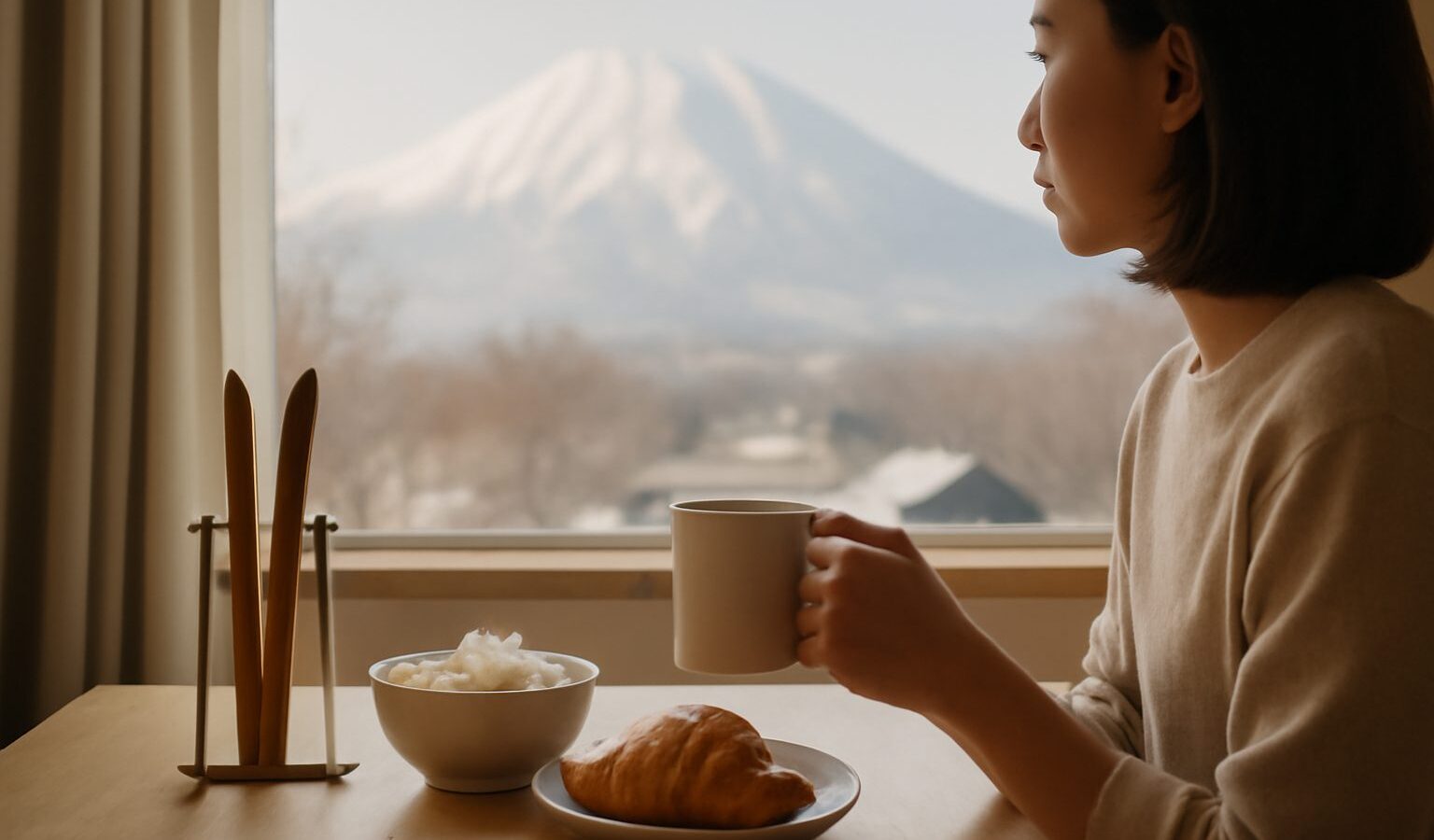
Planning a trip to Niseko from Singapore means heading to Hokkaido for some of the world’s most famous powder snow, on a mountain that has become a favourite winter escape for Southeast Asian travellers. This ski focused guide covers how to get there, when the snow is best, the linked ski areas and how to stay safe on the slopes. It is a general overview only, so please confirm current visa rules, flight options and prices yourself before you book, as these change from season to season.
Getting there from Singapore
Niseko is on Japan’s northern island of Hokkaido, and your trip from Changi will involve reaching the island first. Many travellers fly into Sapporo’s main airport, either connecting through a Japanese hub or on seasonal services, then continue to the mountain by road. The transfer from the airport to the resort area takes a few hours by coach, private car or booked shuttle, and services run more frequently during the winter ski season.
Because winter is peak time, transfers and flights fill up early, so it pays to arrange your airport connection when you book your flights rather than leaving it to the last minute. Compare current routings and connection times carefully, as schedules shift each year. Once in the resort, a village shuttle network links the accommodation clusters with the lift bases, so you rarely need your own vehicle day to day.
Best time to visit
Niseko is best known as a winter destination, and the timing of your trip shapes the snow you find.
The core ski season runs through the deep winter months, with January and early February typically delivering the coldest temperatures and the driest, lightest powder the region is celebrated for. Early season and late season offer thinner crowds and softer prices, though snow cover can be less certain at the edges. Outside winter, the green season brings hiking, cycling and hot springs against a very different alpine backdrop, so a summer visit is possible if skiing is not your goal.
Top things to see and do
Snow is the headline, but there is more to a Niseko holiday than the descents.
- Ski and snowboard the linked areas. The mountain’s connected ski areas share terrain for all levels, from gentle learner slopes to steep off piste, usually under a single combined lift pass.
- Take a lesson. English speaking instruction is widely available, which makes Niseko a friendly place for first timers and for children learning to ski.
- Try night skiing. Floodlit runs let you keep going after dark, a distinctive part of the Niseko experience.
- Soak in an onsen. After a day on the snow, the area’s hot springs are a perfect way to warm up and ease tired muscles.
- Enjoy the food scene. The villages have a strong dining and cafe culture, with local Hokkaido produce and seafood alongside international options.
- Explore the wider area. Beyond the pistes, the region rewards quieter pursuits such as snowshoeing through birch forest, guided snowmobile outings and gentle village walks, which give non skiers plenty to do while the rest of the group is on the mountain.
Niseko compared with other Hokkaido ski bases
If you are deciding where to base a snow trip, it helps to see how Niseko sits against the alternatives.
| Base | Character | Best for |
|---|---|---|
| Niseko villages | Lively, international, well set up | First timers, families, powder seekers |
| Quieter Hokkaido resorts | Local feel, fewer crowds | Value, a calmer atmosphere |
| Sapporo city with day trips | Urban base, ski by day | Mixed holidays, non skiers in the group |
| Multi resort snow tour | Varied terrain, more travel | Keen skiers wanting range |
Niseko is the easiest option for a first ski holiday thanks to its English friendly services and beginner terrain, while a broader tour suits those who want to sample several mountains.
Where to stay
Accommodation gathers in a handful of villages around the mountain, each with its own personality. The busiest and most developed village puts you closest to dining, ski hire, lessons and nightlife, which suits first timers and groups who want everything on the doorstep.
Quieter villages nearby trade some convenience for a calmer setting and often a shorter walk to a specific lift base, which appeals to families and returning skiers. Ski in and ski out lodging is prized but limited, so decide how important slope access is against price and atmosphere, choose your village first, then compare properties within it. Book early, as the best winter dates go quickly.
Practical tips
- Entry and visa. Confirm current entry requirements for Singapore passport holders with ICA and the relevant Japanese embassy or official channels before you travel, as rules can change.
- Currency and payments. The currency is the Japanese yen, cards are widely accepted in the resort, and carrying some cash is still useful for smaller outlets.
- Getting around. Use the village shuttles and booked transfers rather than driving on snow, especially if you are not used to winter road conditions.
- Rough budget band. A ski holiday sits at the higher end of travel costs once you add lift passes, equipment hire, lessons and warm winter gear, so budget generously.
- Ski safety. Take a lesson if you are new, stay within your ability, keep to open marked runs, respect all closures and rope lines, and never venture into backcountry or tree areas without the right training, avalanche awareness and a qualified guide. Dress in proper layers, protect against cold and wear a helmet.
- Etiquette. Follow the mountain code, give way appropriately, and keep noise down in the onsen while observing the usual bathing rules.
Niseko is a superb introduction to Japanese powder for Singapore travellers, combining reliable snow with easy, English friendly services. Plan your dates around the deep winter, respect the mountain, and you will come home with the classic Hokkaido ski experience.
Explore more: Hokkaido from Singapore · Sapporo from Singapore · Planning a ski trip from Singapore