
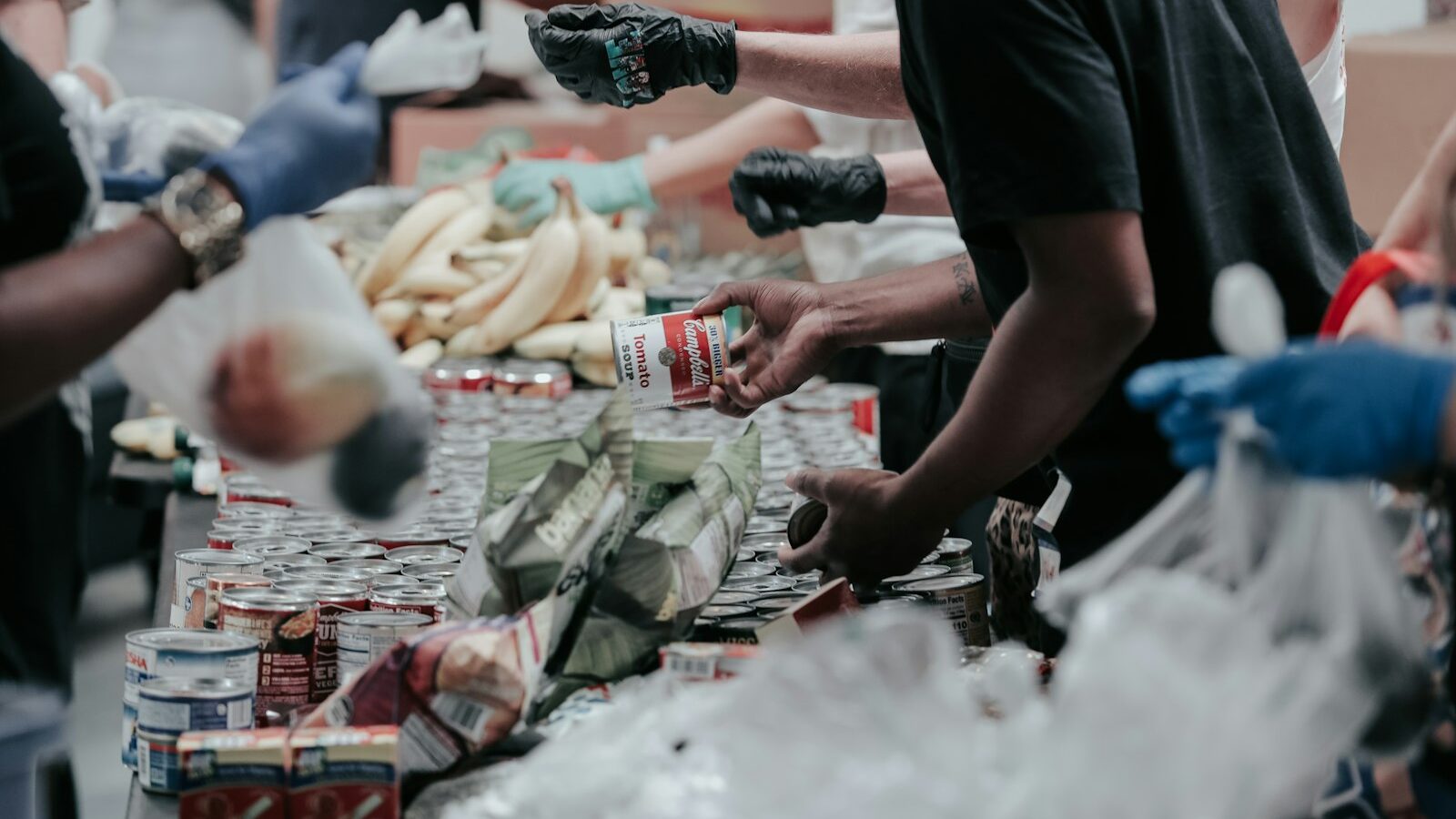
Singapore throws away an enormous amount of perfectly good food every year, and a surprising share of it never even makes it onto a plate. Bread that did not sell by closing time, a tray of buns from the bakery downstairs, ambient goods a month from their best-before date, the extra tub of kaya your neighbour bought two of by mistake. Rescuing food means catching these items before they slide into the bin, and it has quietly become one of the easiest, most satisfying green habits an ordinary resident can pick up. You save money, you meet people, and you keep edible food out of the incinerator. No composting skills or balcony garden required.
This guide walks through the main ways to rescue food in Singapore, from surplus-food apps to buy-nothing groups and community fridges, and how to do it safely and sensibly.
Why Rescued Food Matters Here
Food waste is one of the largest waste streams Singapore produces, and unlike a clean drink can, most of it cannot be recycled at the blue bin. It goes to a waste-to-energy plant, is burned, and the ash makes its way out to the Semakau landfill, which has a finite lifespan. Every meal rescued is a small delay to that clock and a small saving of the energy, water and land that went into growing, shipping and chilling the food in the first place.
The comforting part is that rescuing food sits right at the top of the waste hierarchy. Recycling a package is good, but never creating the waste, or redirecting perfectly edible food to a hungry person, is far better. If you want the fuller picture of where the rest of our rubbish ends up, our explainer on what happens to your recycling in Singapore and the piece on how waste-to-energy works in Singapore both help. For food waste specifically, the National Environment Agency (NEA) is the authority on current programmes and reduction targets, so check its guidance for the latest.
Surplus Food Apps: Buying a Bag of Rescued Goods
The simplest on-ramp is a surplus-food app. Bakeries, cafes, grocers and eateries list food they have not sold at the end of service, usually as a discounted “surprise bag”, and you reserve and collect it within a set window. You do not choose exactly what is inside, which is part of the fun and also the point: you take what would otherwise be tossed.
A few practical tips make the experience smoother:
- Read the collection window carefully. These are tight, often 30 to 60 minutes near closing, so pick outlets on your way home.
- Bring your own bag or container. It saves packaging and keeps with the spirit of the thing.
- Set expectations. A bakery bag might be bread and pastries that are best eaten or frozen that night, not a curated hamper.
- Freeze what you cannot finish. Bread, buns and many bakes freeze beautifully and toast straight from frozen.
Because operators, coverage and prices change constantly, do not assume any particular app or deal still exists. Have a quick look at what is currently available in your neighbourhood before committing.
Buy-Nothing Groups, Community Fridges and Chats
Apps are only half the story. A lot of food rescue in Singapore happens person to person, for free, through neighbourhood networks.
Buy-nothing and gifting groups on chat apps and social media let residents give away surplus food and household items within their estate. Someone over-cateres a party, buys a slab case of milk that will not be finished, or is moving overseas next week, and rather than bin it, they post it. If you are new to this, our guide to joining a buy-nothing group in Singapore covers the etiquette in more depth, and the same generosity applies to non-food clutter through a library of things.
Community fridges and pantries appear at some void decks, places of worship and community spaces, where people leave food for anyone who needs it. Treat them with care: only leave items that are safe at room temperature or clearly labelled and freshly chilled, and never use them to dump anything you would not eat yourself.
Food banks and redistribution charities collect surplus and near-expiry goods from businesses and households and channel them to families who need support. If you have a cupboard of unopened, in-date ambient goods you will not use, a donation is often the most dignified rescue of all.
Rescue Routes at a Glance
Not every route suits every situation. This comparison helps you match the food you have, or want, to the right channel.
| Route | Best for | Cost | Watch-outs |
|---|---|---|---|
| Surplus food apps | Getting cheap bakery and grocery surplus for yourself | Discounted | Tight pickup windows, contents are a surprise |
| Buy-nothing and chat groups | Giving away or claiming small home surpluses locally | Free | Arrange safe handover, be reliable and prompt |
| Community fridges and pantries | Sharing shelf-stable or freshly chilled food openly | Free | Only leave safe, in-date items; check the food yourself |
| Food banks and charities | Donating unopened, in-date ambient goods | Free | Follow their accepted-items list and expiry rules |
Rescuing Food Safely
Rescued food is still food, so the usual kitchen sense applies, made a little sharper by Singapore’s heat and humidity.
- Know your date labels. “Use by” is about safety and should be respected. “Best before” is about quality: many ambient goods are perfectly fine, if less peak-fresh, past that date. When in doubt, look, smell and use judgement.
- Keep the cold chain short. In our climate, chilled food warms up fast in a bag on the MRT. Collect chilled and frozen items last and get them home quickly.
- Cook, freeze or eat promptly. Treat rescued bread, cooked food and dairy as things to use soon rather than store for weeks.
- When genuinely unsure, do not risk it. Rescuing food should never mean eating something that has turned. This is general guidance, not medical advice, so if you have specific health concerns, err on the side of caution.
Fitting It Into a Greener Kitchen
Food rescue works best alongside the habits that stop waste in the first place: planning meals, storing produce well, loving your leftovers, and choosing loose and ugly produce that would otherwise be rejected on looks alone. Ordering in less, or reducing waste from food delivery when you do, trims another slice of the problem.
You do not need to do all of it. Start with one surplus bag a week, or join one estate chat group and offer up the tin of biscuits you will never open. Rescuing food is not about perfection or guilt. It is about noticing the good food around you before it becomes rubbish, and quietly passing it on. Small, repeatable, and genuinely useful: that is the whole idea.