
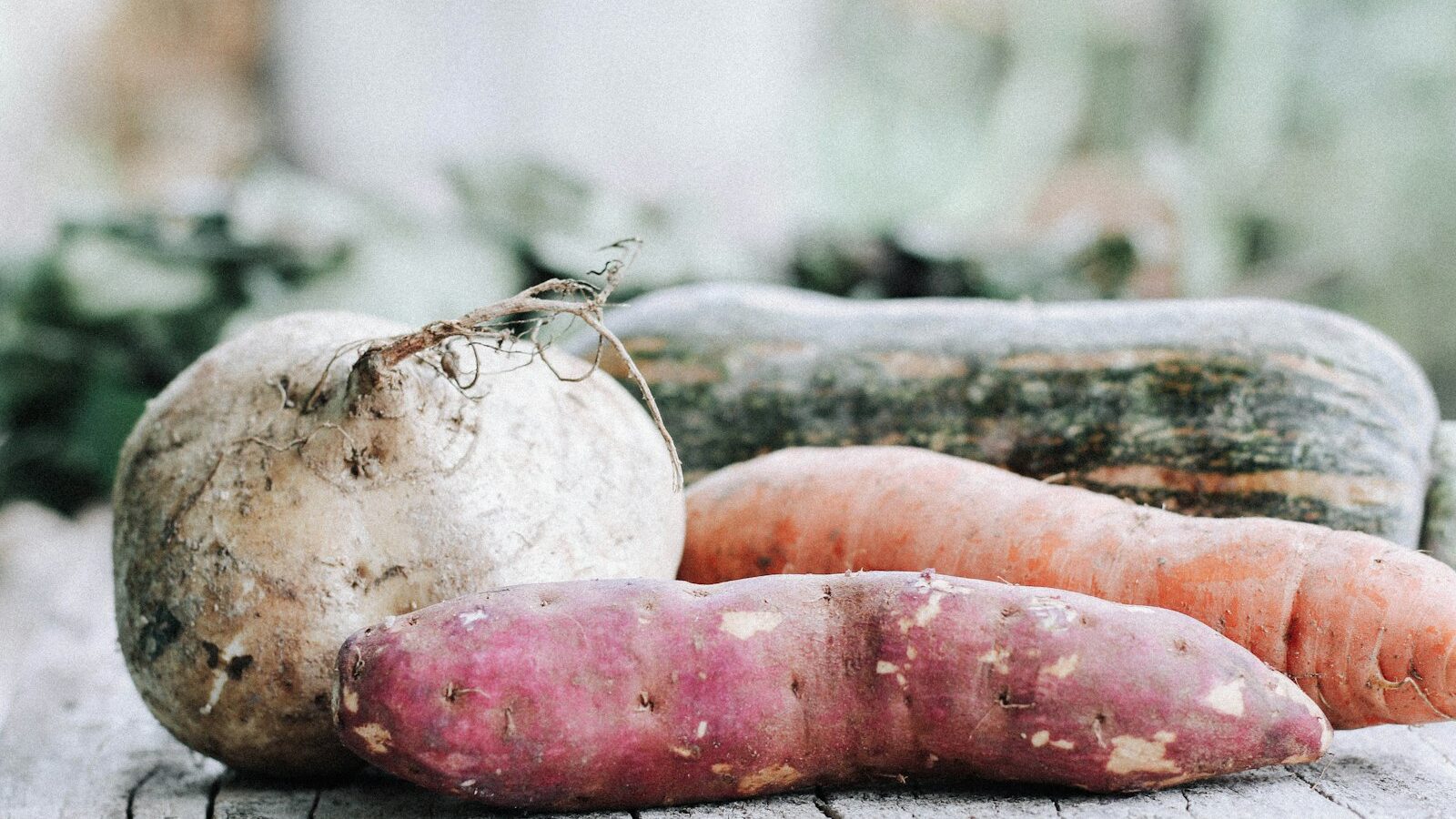
A carrot with two legs, a knobbly ginger, a cucumber with a bend in it: none of these taste any different from their photogenic cousins, yet a surprising amount of perfectly good food is passed over simply for looking odd. Choosing ugly produce, the fruit and vegetables that fail a beauty contest but pass every other test, is one of the easiest green habits to pick up. It cuts food waste, often costs less, and asks nothing of you beyond a slightly more relaxed eye at the market.
This guide explains where the waste comes from, how to shop for imperfect and loose produce in Singapore, and how to make the most of it once it is home. None of it requires special skill. It just requires giving the wonky ones a chance.
What “Ugly Produce” Really Means
Ugly produce is food rejected on looks alone. It is misshapen, undersized, oddly coloured or lightly blemished, but sound to eat. The cosmetic bar is set by supply chains and buyer expectations, not by nutrition or flavour. A lumpy potato roasts exactly like a smooth one, and a scarred apple still crunches.
Two things drive the waste. First, produce that does not meet cosmetic grades can be turned away before it ever reaches a shelf. Second, shoppers instinctively reach past the odd-looking pieces to the tidy ones, so those are marked down and eventually binned. Both are habits rather than facts of nature, which is the good news: habits can change.
Food thrown away is a large share of what Singapore sends for disposal, and cutting it eases pressure on the whole waste system, from collection to our incineration plants and beyond. For the bigger picture of where discarded food ends up, see how waste-to-energy works in Singapore.
Why It Matters Here
In our climate, fresh food spoils fast, and long import journeys mean much has already travelled far by the time it reaches us. Every mango or bunch of kangkong wasted represents water, land, transport and packaging spent for nothing. Choosing produce that would otherwise be discarded, and using up what you buy, is a direct way to shrink that footprint.
There is a household benefit too. Imperfect and loose produce is frequently cheaper, whether it is a marked-down tray at the supermarket or an odd-sized pile at the wet market. You get the same meals for less money and keep good food out of the bin at the same time. The environmental win and the wallet win point the same way, which is not always the case in green living.
How To Shop for Imperfect and Loose Produce
You do not need a special shop. A few small shifts in how you buy make the difference.
- Buy loose, not pre-packed. Wet markets and many supermarkets let you pick individual pieces, so you take exactly what you need and skip the plastic tray and wrap. Buying loose also lets you choose the wonky ones on purpose.
- Head to the wet market. Stallholders sell all shapes and sizes, and prices often reflect looks rather than quality. Building a rapport with a regular vegetable seller helps you land the best of what is going.
- Look for markdowns. Supermarkets discount produce that is slightly blemished or nearing its best. These sections are gold for cheap, sound food that needs using within a day or two.
- Try imperfect-produce boxes and rescue apps. Some grocers and social enterprises sell boxes of cosmetically imperfect fruit and vegetables, and food-rescue services redistribute surplus. Our guide to rescuing food with apps and groups rounds up the options.
- Bring your own bags. Loose shopping pairs naturally with reusable produce bags and a basket, which also sidesteps the disposable bag charge at the checkout.
The point is not to buy more because it is cheap. It is to buy what you will actually eat, in the form that wastes the least.
Pretty Produce Versus Ugly Produce
It helps to see plainly how little the looks matter. The differences that shoppers fixate on rarely touch the things that count.
| What you compare | Cosmetically “perfect” produce | Ugly or loose produce |
|---|---|---|
| Taste and nutrition | The same | The same |
| Appearance | Uniform, tidy | Odd shapes, marks or sizes |
| Typical price | Often higher | Often lower or marked down |
| Packaging | Frequently pre-wrapped | Usually sold loose |
| Chance of being wasted | Lower on the shelf | Higher unless someone chooses it |
Read down that table and the case makes itself: you give up appearance and gain on price, packaging and waste, with no loss to your actual meal.
Making the Most of What You Bring Home
Buying it is half the job; using it well is the other half. Imperfect produce often needs eating sooner, so a little planning goes a long way.
- Store it properly. Keep leafy greens dry and cool, store onions, garlic and potatoes out of the fridge, and separate fruit that ripens quickly. A few minutes of sorting buys you extra days.
- Prep and cook flexibly. Wonky vegetables are perfect for soups, stir-fries, curries and stocks, where shape is irrelevant. Slightly soft fruit is ideal for blending, baking or freezing.
- Use the whole thing. Broccoli stalks, carrot tops and the like are edible and tasty when cooked. Cutting away only the truly spoiled parts, rather than the whole item, saves a great deal over a year.
- Cook first, freeze the rest. If you cannot get through a markdown haul, cook or freeze it before it turns. A batch of frozen soup is a bargain you already paid for.
These same habits cut waste from every meal, including the takeaways so many of us rely on; our guide to reducing waste from food delivery covers that side. And if you grow even a little of your own, you quickly learn to value every leaf, as our piece on urban farming and rooftop gardens explores.
A Small Habit With a Real Payoff
Choosing ugly produce will not single-handedly fix the food system, and it does not need to. It is a low-effort, low-cost habit that quietly does three good things at once: it saves food that would have been wasted, it usually saves you money, and it loosens the grip that appearance holds over what we eat. Next time you are at the market or the chiller, reach for the lopsided one. It will taste just as good, and it will thank you by not ending up in the bin.