
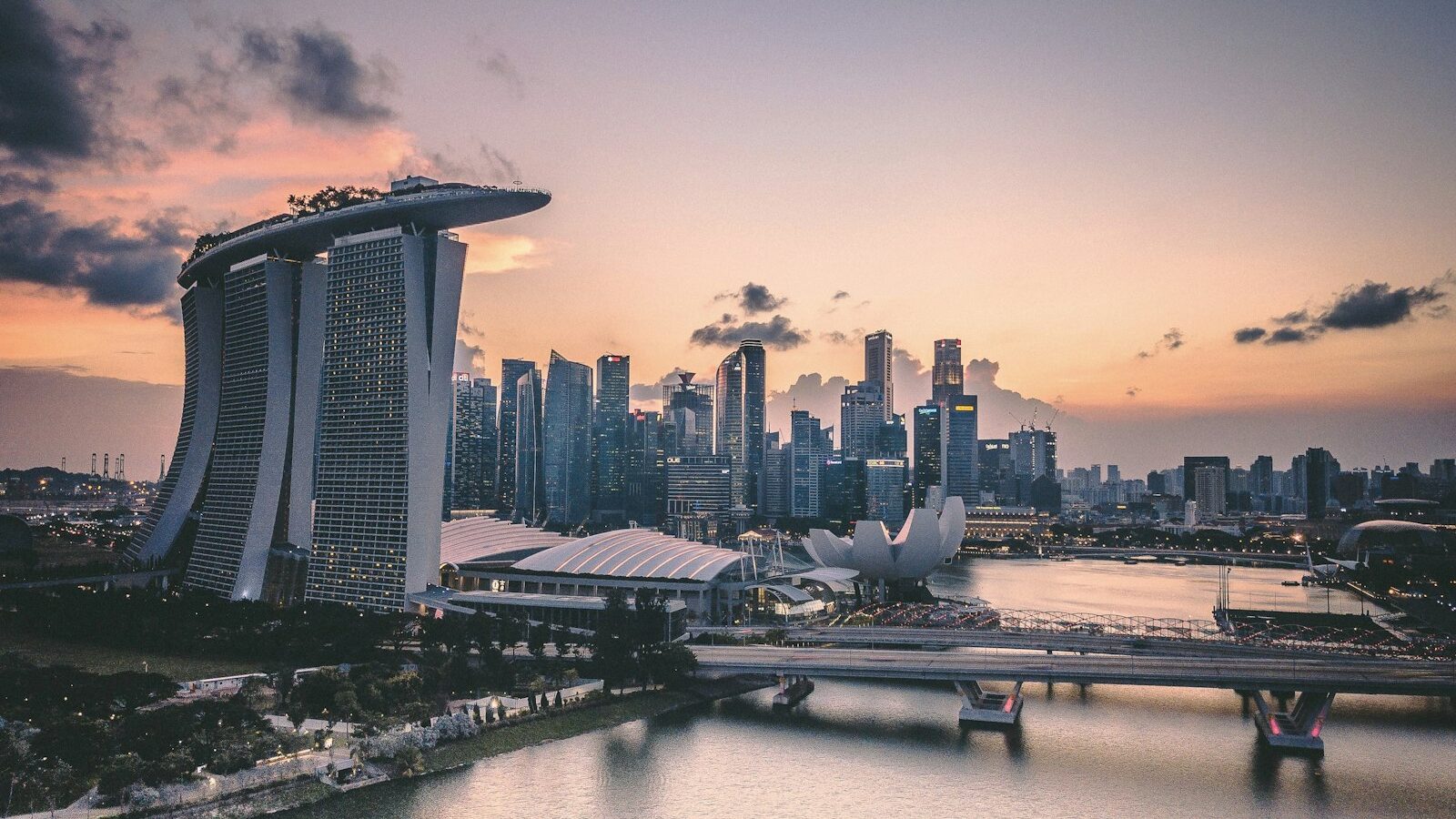
Ask any keen shooter which light they love most and the answer is usually the same: the warm glow just after sunrise or before sunset, and the deep blue calm that follows. Golden hour photography is a favourite because the light is soft, flattering and full of colour, doing half the work for you. The blue hour that bookends it is quieter and cooler, and it turns our city skyline into something magical. This guide explains what these two windows actually are, when to catch them in Singapore, and the simple settings that help you make the most of both.
The good news is you do not need fancy gear. A phone, an entry-level mirrorless or a hand-me-down DSLR will all capture this light beautifully, because the light itself is the star. What matters more is timing and a little planning.
What Golden Hour and Blue Hour Really Are
These two phrases get thrown around loosely, so let us be accurate about them.
Golden hour is the stretch soon after sunrise and shortly before sunset, when the sun sits low in the sky, roughly within six degrees of the horizon. Because the light travels through more atmosphere at that angle, the harsh blue is scattered away and what reaches you is warm, gold and gentle. Shadows grow long and soft, contrast eases off, and skin tones look lovely. It is the opposite of the flat, hard midday sun that makes people squint.
Blue hour happens when the sun is just below the horizon, roughly four to eight degrees down, before sunrise and after sunset. There is no direct sunlight, so the sky glows an even, deep blue. Everything is bathed in soft, shadowless light of a similar brightness, which is why cityscapes shine: the fading sky balances beautifully with the artificial lights switching on across the CBD.
One honest caveat for Singapore. We sit almost on the equator, so the sun rises and sets almost straight down rather than at a shallow slant. That means our golden hour and blue hour are short, often twenty to thirty minutes each rather than the leisurely hour you might read about for places far from the tropics. The name is more a mood than a strict measurement here, so treat it as a brief, precious window and be ready before it starts.
When to Catch the Light in Singapore
Because we are near the equator, sunrise and sunset land at fairly steady times all year, usually around 7am and 7pm, give or take. That predictability is a gift for planning.
A reliable rhythm looks like this:
- Morning golden hour: roughly the first half hour after sunrise, so arrive before 7am to set up.
- Morning blue hour: the twenty to thirty minutes before sunrise, while the sky is still deep blue.
- Evening golden hour: the half hour or so before sunset, ending around 7pm.
- Evening blue hour: the window just after sunset, before full darkness.
A free sun-times or weather app will give you the exact sunrise and sunset for the day, and many show golden hour and blue hour windows directly. Check it the night before. Our afternoon storms can also work in your favour, since a break in the clouds near sunset often throws dramatic colour across the sky. Cloud is not the enemy of golden hour photography; a completely clear sky can actually look plain, while a few clouds catch the light and add drama.
Settings and Simple Techniques That Work
You do not need to shoot full manual to get lovely results, but a few deliberate choices help.
For golden hour, the light is fading fast, so keep an eye on your shutter speed.
- Shoot with the sun low and to your side for gentle, three-dimensional light, or place it behind your subject for a warm rim of light around their hair.
- Set a low ISO (100 or 200) while it is still bright, and let it climb as the light drops.
- If you want that soft, blurred background, open your aperture wide (a small f-number like f/2.8).
- Watch your white balance. Auto often cools the scene and kills the gold, so try a warmer “cloudy” or “shade” setting to keep the glow.
For blue hour, the light is much dimmer, so steadiness is everything.
- Use a tripod, or brace your phone or camera on a ledge, railing or bench.
- Keep ISO as low as you can and let the shutter stay open longer to gather light. A two to ten second exposure can turn traffic into ribbons of light along the CBD roads.
- Use a two-second timer or a remote so pressing the shutter does not shake the camera.
- Take a shot, review it, and adjust. The sky changes quickly, so keep firing.
If you only remember one thing, it is this: golden hour is about warmth and shape, while blue hour is about stillness and glow.
Where to Shoot and How the Two Compare
Singapore is spoilt for spots. For the classic skyline, the Marina Bay waterfront promenade, the Esplanade area and the Helix Bridge frame the CBD towers, which light up gorgeously through blue hour. Gardens by the Bay glows once the Supertrees switch on. For a warmer, human feel, try the heritage shophouses of Chinatown, Kampong Glam or Little India in the last golden light, or head to East Coast Park and the reservoirs for open sky at sunrise. Rooftop views and HDB corridors that face west can surprise you too.
Here is a quick way to decide which window suits your subject.
| Situation | Golden hour | Blue hour |
|---|---|---|
| Best mood | Warm, soft, glowing | Cool, calm, moody |
| Portraits | Excellent, flattering skin | Trickier, needs extra light |
| City skyline | Warm tones on buildings | City lights against blue sky |
| Handheld friendly | Usually yes | Often needs a tripod |
| Duration near equator | Very short, be ready early | Very short, work quickly |
The two windows flow into each other, so a smart plan is to shoot golden hour, then stay put and let it roll into blue hour. You get two very different looks from one outing.
Common Mistakes and Easy Fixes
A few habits will save you from coming home disappointed.
- Arriving late. The best light is gone in minutes here. Turn up early, scout your frame, and be ready before the window opens.
- Trusting auto white balance. It often strips out the warmth. Nudge it warmer during golden hour so the gold stays golden.
- Shooting straight into a bright sun without care. Some flare is lovely, but check that your subject is not lost in shadow. Expose for the face, or add a touch of fill light.
- Forgetting the humidity. Coming from cold aircon into our warm, damp air fogs your lens. Let your gear acclimatise for a few minutes, and wipe it down after.
- Packing up too soon. The colour after sunset, deep into blue hour, is often the best of the evening. Wait it out.
Golden hour photography rewards patience more than expensive equipment. Learn the timing, respect how short these windows are near the equator, keep the camera steady, and let that soft light do the heavy lifting. Do that a few times and you will start planning your week around the sunrise and sunset, camera in hand.
Explore more
Keen to build on this? Deepen your feel for natural light with our guide to using natural light in photography, and try slower shutter tricks in long exposure photography basics. For that classic skyline frame, pair this with landscape photography tips for Singapore.