
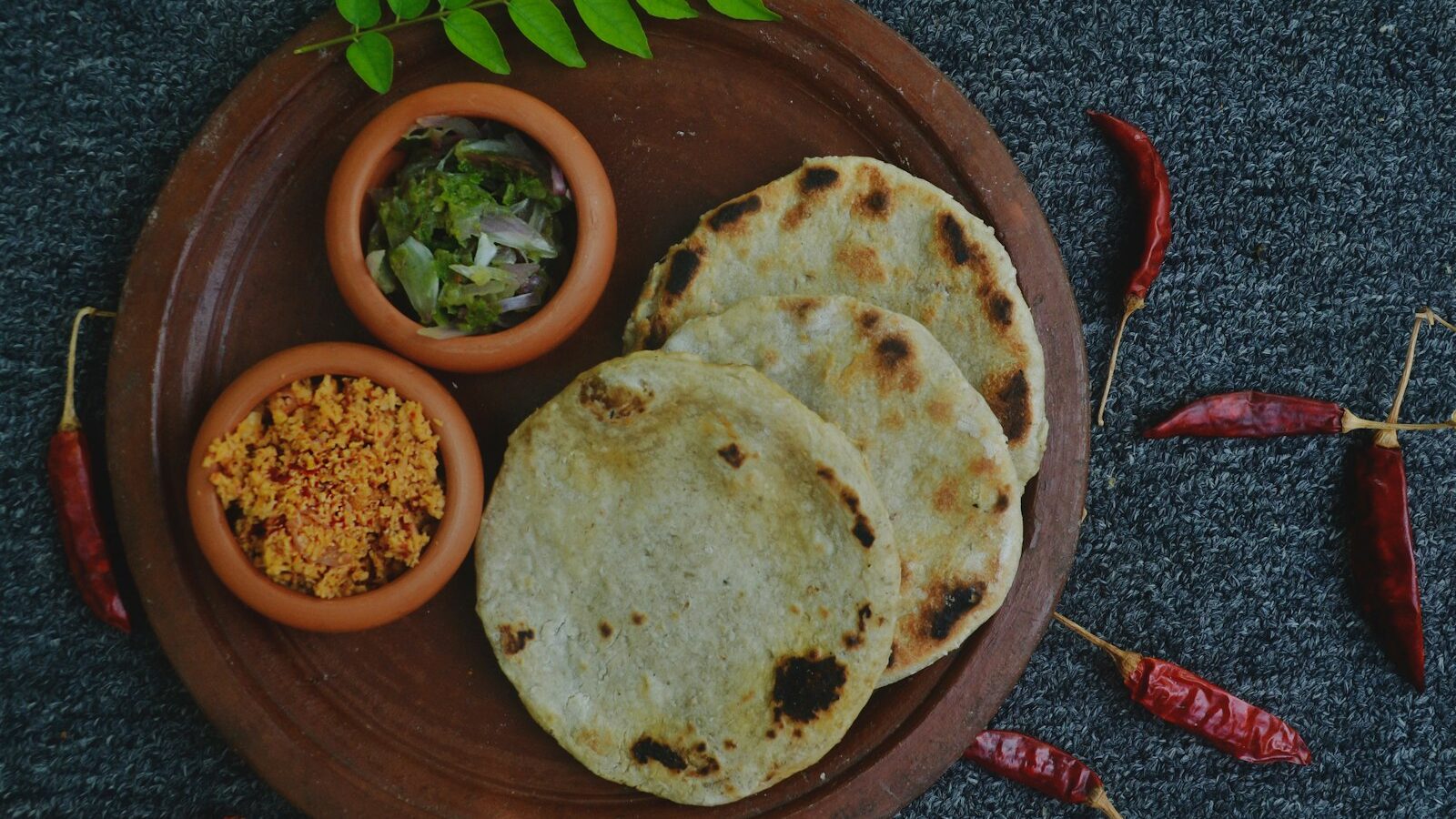
Fragrant, fiery and deeply comforting, Sri Lankan cooking is one of the region’s most rewarding cuisines to discover. If you are new to Sri Lankan food in Singapore, the easiest way in is to think of it as a coconut and spice driven kitchen that shares some roots with South Indian cooking but has a character all of its own, from lacy bowl shaped hoppers to a plate of chopped roti sizzling on a hot griddle. It turns up in a handful of dedicated restaurants and eateries around the island, often near enclaves with a strong South Asian presence, and it is well worth seeking out.
This guide walks you through the signature dishes, the flavours that define them, and how to order a satisfying Sri Lankan meal even if it is your first time.
What Makes Sri Lankan Food Distinct
At its heart, Sri Lankan cooking leans on rice, coconut and a generous hand with spices. Coconut appears everywhere, as milk in curries, as freshly grated flesh in sambols, and as oil for cooking. The spicing is bold and layered, built from curry leaves, cinnamon, cardamom, cloves, black pepper, mustard seed and roasted curry powders that give many dishes their dark, toasty depth.
One ingredient you will meet again and again is Maldive fish, a dried and cured fish that is flaked or pounded into sambols and curries for a savoury, umami lift. Tamarind and lime bring tartness, while fresh green chilli and dried red chilli supply the heat that Sri Lankan food is known for. If you have enjoyed South Indian meals before, you will notice family resemblances, but Sri Lankan dishes often taste rounder, more coconut rich and, in many cases, hotter.
Because recipes vary from family to family and region to region, treat any description as a general guide rather than a fixed rule. Half the pleasure is discovering how one kitchen’s rice and curry differs from the next.
The Dishes to Know
A few staples show up on most Sri Lankan menus, and knowing them makes ordering far less daunting.
- Hoppers, or appam. A bowl shaped pancake made from fermented rice flour and coconut milk, crisp and lacy at the edges and soft in the middle. An egg hopper has an egg cracked into the centre.
- String hoppers, or idiyappam. Steamed nests of pressed rice noodles, usually eaten with dhal, curry or a coconut sambol.
- Kottu roti. Flatbread chopped and stir fried on a griddle with egg, vegetables, spices and your choice of meat, famous for the rhythmic clatter of the metal blades against the hot plate.
- Rice and curry. The everyday centrepiece, a mound of rice ringed by several small curries and sambols, from dhal and vegetable to fish or chicken.
- Pol sambol. A vivid relish of grated coconut, chilli, lime, onion and Maldive fish that adds punch to almost anything.
- Lamprais. Rice and accompaniments baked together in a banana leaf parcel, a dish with Dutch Burgher heritage.
- Wattalappam. A rich steamed coconut and jaggery custard, often spiced with cardamom, served as dessert.
Not every eatery offers all of these, and portions differ, but this cast of dishes captures the range from light snack to full spread.
A Quick Look at Popular Orders
If you are weighing up what to try first, this comparison sorts a few favourites by what they are and how filling they tend to be.
| Dish | What it is | Best for |
|---|---|---|
| Egg hopper | Bowl shaped rice pancake with an egg | A light, distinctive first taste |
| Kottu roti | Chopped roti stir fried with egg and spice | A hearty, one plate main |
| Rice and curry | Rice with several curries and sambols | Sampling the widest range of flavours |
| String hoppers | Steamed rice noodle nests with curry | A gentler, less spicy introduction |
| Wattalappam | Steamed coconut and jaggery custard | Rounding off a meal on a sweet note |
If you are dining in a group, ordering a rice and curry alongside a kottu roti and a couple of hoppers lets everyone taste across the table, which is the most enjoyable way to explore.
How to Enjoy a Sri Lankan Meal
Sri Lankan food is traditionally eaten with the right hand, mixing rice with the curries and sambols so every mouthful carries a little of each. If that is new to you, using cutlery is perfectly fine, and no one will mind. The key is to combine elements rather than eating each curry in isolation.
A few pointers to help you get the most from a meal:
- Start mild and build heat. Taste a curry before piling on the sambol, since pol sambol and chilli can be intense. You can always add more.
- Use dhal as a bridge. The soft, mild lentil curry balances spicier dishes and helps stretch the rice.
- Break your hopper from the edges. Tear off the crisp rim and use it to scoop up sambol or curry, saving the soft centre for last.
- Pair with a cooling drink. A glass of iced Ceylon tea or a coconut based drink tempers the spice nicely.
- Save room for wattalappam. Its gentle sweetness is the perfect full stop to a fiery meal.
Because heat levels vary a great deal between kitchens, it is worth asking how spicy a dish is before you order if you are sensitive to chilli. Most eateries are happy to guide you.
Where to Find Sri Lankan Food in Singapore
Sri Lankan food is more of a hidden gem here than a hawker staple, so you are most likely to find it in dedicated restaurants and smaller eateries rather than at a typical hawker stall. Areas with a strong South Asian community, including the districts around Little India, are a sensible place to begin your search, and some South Indian style restaurants also carry a few Sri Lankan dishes such as hoppers or string hoppers.
Because businesses, opening hours and prices change constantly, it is best to check current details before making a special trip, and to confirm whether a place caters to any dietary needs you have, including halal or vegetarian options. If you would rather learn hands on, a guided food outing or a cooking session can be a lovely way to understand the spices and techniques behind the cuisine. Once you have found a rice and curry or a plate of kottu roti you love, Sri Lankan food has a way of pulling you back for more.
Explore More
If Sri Lankan flavours have you curious about the region’s wider South Asian table, browse our Indian food guide and take a wander through the Little India heritage guide to see where many of these ingredients live. You can also plan a deeper dive with our overview of food tours and cooking classes or line up your next meal with our must try hawker food guide.