
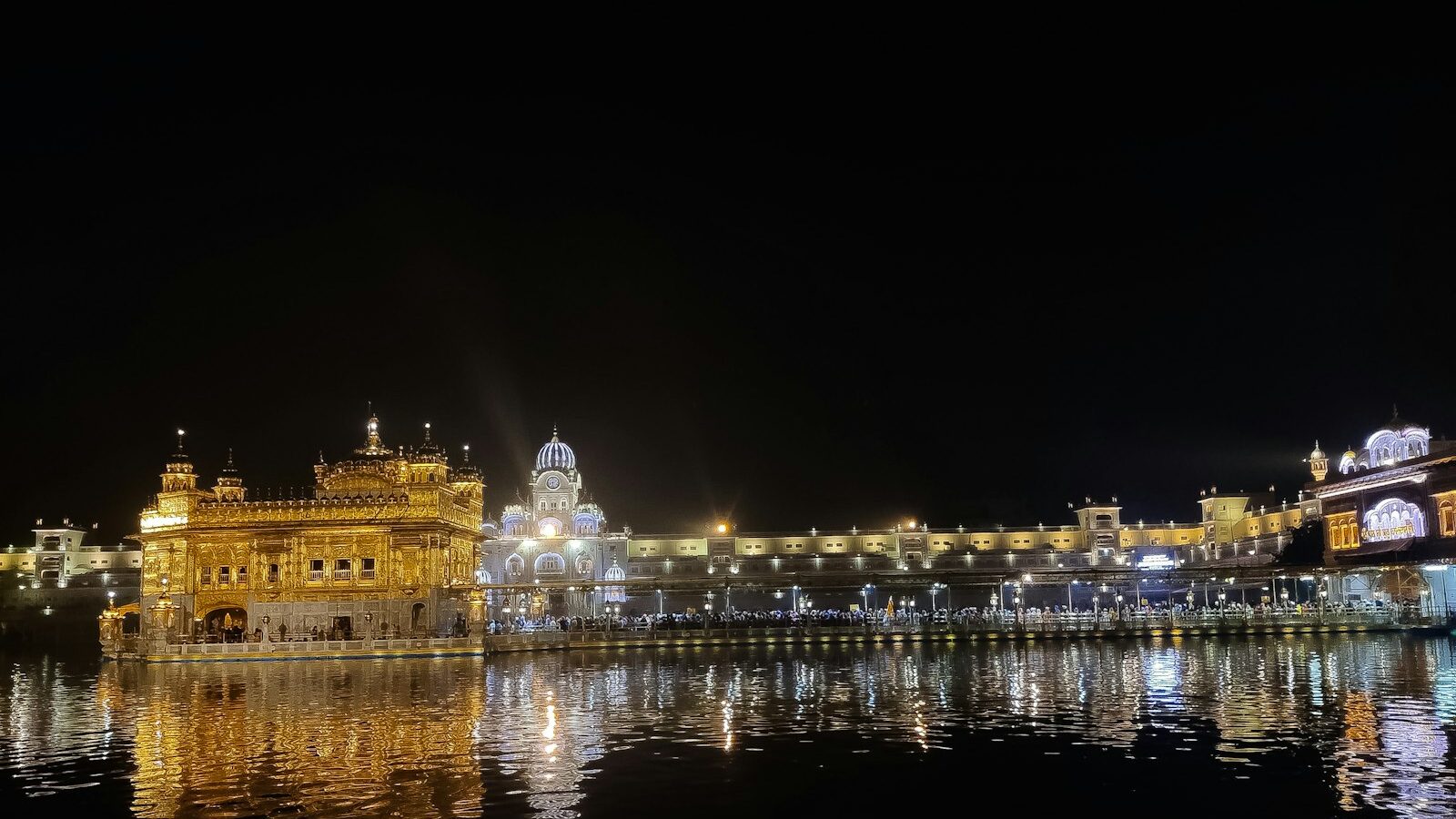
The Central Sikh Temple Singapore is one of the most recognisable gurdwaras in the country and a living centre of Sikh worship, community life and hospitality. Rising near Towner Road with its striking golden dome, it welcomes worshippers and respectful visitors alike. This guide explains what the temple means to the community and how to experience it thoughtfully.
Significance and history
A gurdwara is a Sikh place of worship, and the word itself points to the idea of a doorway to the Guru. For Singapore’s Sikh community, the Central Sikh Temple has long served as a spiritual anchor and a gathering point for major religious occasions. The community traces its roots in Singapore back to the colonial era, when Sikhs arrived to work in policing, security and other trades, and gurdwaras grew as places of both worship and mutual support.
The present temple building reflects a later chapter in that story, when the congregation moved to a purpose built home able to serve a growing community. Rather than fix exact dates from memory, treat the temple’s own signage and staff as the authority on its founding and relocation. The broader point is consistent, though. This is a congregation with deep local heritage that has continued to adapt while holding to its faith.
At the heart of the gurdwara sits the Guru Granth Sahib, the sacred scripture that Sikhs regard as the living Guru. It is treated with the highest respect, placed on a raised platform and attended with great care. Understanding this helps visitors appreciate why the prayer hall is kept solemn and why certain customs are observed so consistently.
What to see
The golden dome is the temple’s best known feature and a helpful landmark from the surrounding streets. Inside, the main prayer hall, or darbar, is the spiritual focus, where the Guru Granth Sahib is installed and where hymns known as kirtan are sung. The atmosphere is calm and devotional, and the space is designed so that everyone sits together on the floor as equals.
One of the most moving aspects of any gurdwara is the langar, the free community kitchen. The langar embodies the Sikh principles of equality and selfless service, offering a simple vegetarian meal to all who come, regardless of background or belief. Visitors are often welcome to observe and, where appropriate, to share in this hospitality. If you wish to take part, ask the volunteers and follow their guidance.
You may also notice the sarovar or ablution areas, spaces for community gatherings, and volunteers going quietly about their duties. Much of what makes a gurdwara special is not a single monument but the spirit of service, or seva, that runs through everything.
Architecture
The building blends practical modern construction with symbolic Sikh design elements. The dome is the most prominent religious motif, while large, light filled halls allow the congregation to gather comfortably. Colour, openness and cleanliness are recurring themes, reflecting both devotion and the emphasis on welcoming everyone.
Because the temple is a working place of worship rather than a museum, its layout follows function. Prayer, scripture, music and the shared meal each have their proper space. Take a moment to notice how the flow of the building guides worshippers from arrival, to covering the head and removing shoes, to the prayer hall, and onward to the langar.
Festivals and observances
The Sikh calendar includes several important occasions, among them Vaisakhi, which holds deep significance for the community, and the celebrations marking the birth anniversaries of the Gurus, often called Gurpurabs. On these days the temple can be especially busy, with extended prayers, kirtan and larger langar service. Exact dates shift according to the calendar, so check with the temple before planning a festival visit.
| Aspect | Central Sikh Temple | General visitor note |
|---|---|---|
| Type | Sikh gurdwara | Active place of worship |
| Focal point | Guru Granth Sahib in the darbar | Treated with utmost respect |
| Signature feature | Golden dome | Visible landmark |
| Community offering | Langar, the free kitchen | Vegetarian, open to all |
| Head covering | Required for everyone | Bring a scarf |
| Footwear | Removed before the hall | Shoe racks provided |
Always confirm current details on site, as arrangements and timings can change.
Visiting etiquette
Sikh gurdwaras are famously welcoming, and a little preparation lets you show proper respect. Dress modestly, covering shoulders and legs. Everyone, regardless of gender or faith, must cover their head inside the temple, so bring a scarf or head covering, and use one if it is offered at the entrance. Remove your shoes where indicated, and you may be asked to wash your hands or feet before entering.
Move quietly and keep your voice low, especially near the prayer hall. When entering the darbar, it is customary to sit on the floor, and worshippers avoid pointing their feet towards the Guru Granth Sahib. Do not interrupt prayer or kirtan. If you are offered prashad, the blessed food, receive it respectfully with both hands.
Ask before photographing worshippers, and never use flash during prayers or ceremonies. Some areas may not permit photography at all, so look for signs or check with a volunteer. If you join the langar, follow the lead of those around you, sit together on the floor and treat the meal as the act of shared equality it is meant to be. Above all, remember that people are here to worship, and your quiet respect is the best gift you can bring.
A living centre of faith
The Central Sikh Temple is more than a beautiful building. It is a place where scripture is honoured, where hymns fill the air, and where strangers are fed as friends. Visit with an open heart, follow the customs, and check the temple’s own guidance for hours and rules. You will leave with a deeper appreciation of one of Singapore’s most generous religious traditions.
Explore more: Sikh and smaller communities in Singapore · Temple worship etiquette for newcomers · Religious harmony and festivals in Singapore