
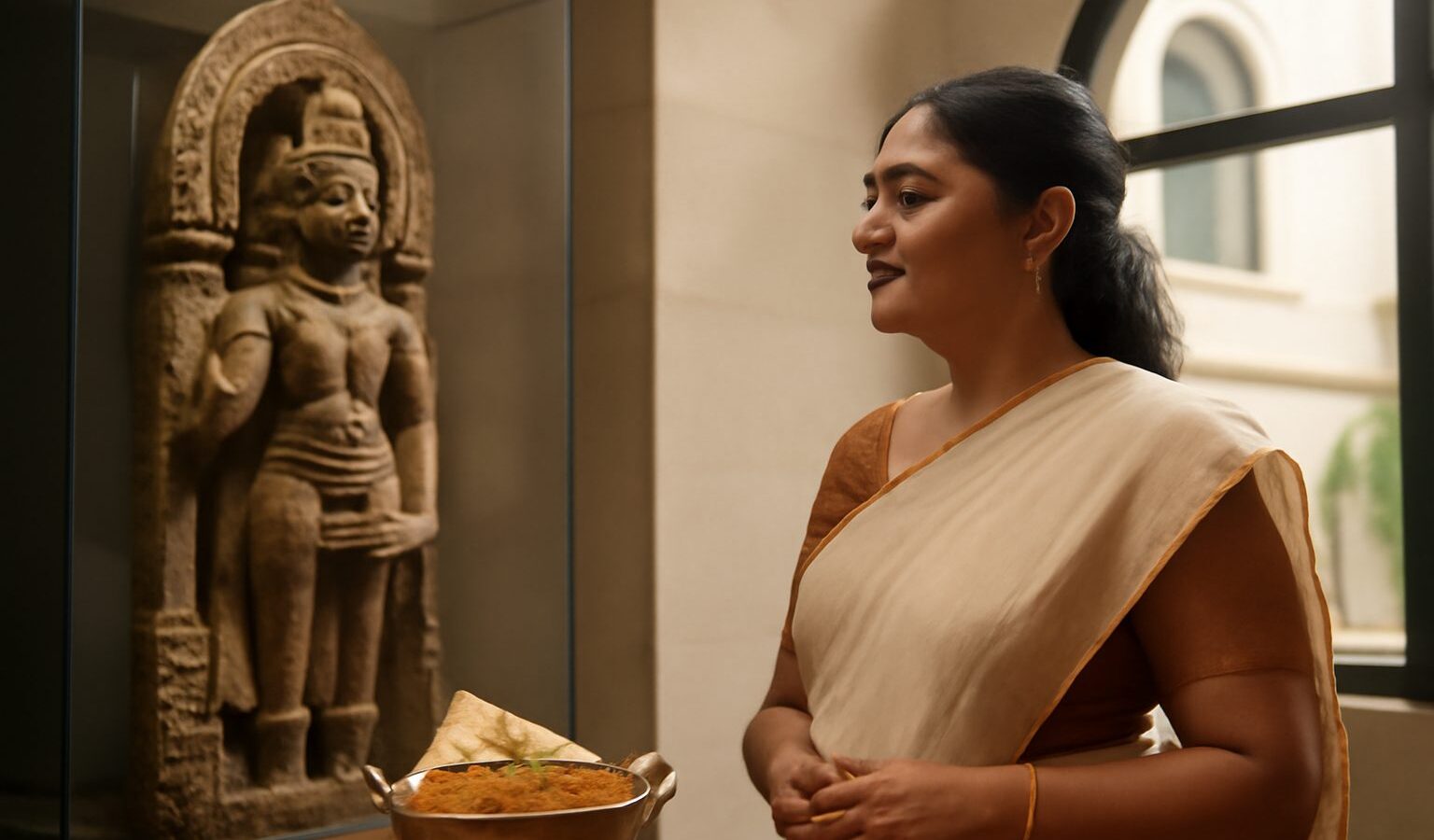
The Indian Heritage Centre in Singapore traces the history, culture and contributions of the South Asian communities that helped build the nation, and it stands in the vibrant heart of Little India. With its striking modern building and thoughtfully themed galleries, it offers a rich and welcoming introduction to a community central to Singapore’s story. This guide covers what the centre is, what you can expect to see, how to plan a visit, and why the heritage it holds matters to the whole country.
What the Indian Heritage Centre Is
The Indian Heritage Centre interprets the journeys and contributions of people from across South Asia, including communities with roots in many regions, languages and faiths. It presents this heritage not as a single identity but as a broad and diverse tapestry, shaped by trade, labour, migration, faith and enterprise over many generations.
Its location is fitting. The centre sits on Campbell Lane in Little India, a district long associated with South Asian community life, worship, commerce and festivity. The surrounding streets, with their temples, shops, garland sellers and eateries, form a living extension of the galleries, so a visit naturally opens out into the neighbourhood. As one of the institutions within Singapore’s national heritage network, the centre helps keep these community stories accessible to residents and newcomers alike.
Galleries and programmes are renewed over time, so treat this guide as a general overview. For current opening hours, admission and any special exhibitions, check the centre’s official channels or the National Heritage Board before you go.
What You Can Expect to See
A visit generally moves through themed galleries that follow the long arc of South Asian connection with the region, from early links through migration to community building and cultural life in Singapore. The displays combine historical material with personal stories, so the culture feels human and close.
Visitors often remember elements such as:
- Galleries tracing early and colonial-era links between South Asia and the region
- Stories of migration, labour and enterprise that shaped the community here
- Displays on faith, festivals and family customs across diverse traditions
- Craft, textiles and decorative arts that reveal extraordinary skill
- Material on community organisations, pioneers and everyday life in Singapore
Take time with the personal accounts and captions, since they turn objects into memory. Look closely at the textiles and craftwork, where technique and symbolism go hand in hand. Because specific displays are refreshed from time to time, treat any single object or gallery as part of a changing programme rather than a permanent fixture, and enjoy what is on show during your visit.
Planning a Respectful and Comfortable Visit
Little India is one of Singapore’s most lively and walkable heritage districts, well served by public transport and full of places to eat, shop and explore, so the centre is easy to include in a wider afternoon. The galleries reward an unhurried pace, and the neighbourhood invites you to linger afterwards.
A few practical notes that tend to hold true:
- Dress comfortably and modestly, especially if you plan to visit nearby temples.
- Wear easy shoes, as you will move between galleries and explore the district on foot.
- Follow the photography guidance shown on site, as some areas may have restrictions.
- Ask before photographing people, particularly around places of worship.
- Consider a weekday visit if you prefer quieter galleries.
If your interest deepens, the surrounding district offers temples, traditional trades and food that bring the culture to life beyond the galleries. Approach places of worship as a welcomed guest, remove your shoes where required, follow each venue’s guidance, and be respectful during prayer and ritual. For the freshest details on tickets, accessibility and programmes, rely on the centre’s current information rather than older listings.
How It Compares With Other Heritage Museums
Singapore’s community heritage is told across several museums, each with a different focus. The table below gives a general sense of how the Indian Heritage Centre sits alongside a few others, so you can plan a route that suits your interests. Details evolve, so confirm specifics before visiting.
| Museum | Main focus | Typical experience |
|---|---|---|
| Indian Heritage Centre | Indian and South Asian heritage | Themed galleries on migration and culture |
| Malay Heritage Centre | Malay community history and arts | Community galleries in a historic setting |
| Chinatown Heritage Centre | Early Chinese immigrant life | Recreated shophouse living quarters |
| Peranakan Museum | Peranakan cross-cultural heritage | Objects, textiles and family stories |
Read together, these museums show how each community carried its own journey while contributing to a shared national story. Visiting more than one builds a fuller and more balanced picture of how the many strands of Singapore’s population came together.
Why the Indian Heritage Centre Matters
The centre matters because South Asian communities have been part of Singapore from its earliest modern days, contributing to its labour, commerce, professions, culture and civic life. Their languages, festivals, cuisine and crafts are woven into the everyday texture of the country. By presenting this heritage with care and depth, the centre helps ensure it is understood, valued and passed on.
It also celebrates and anchors Little India, a district that has long been a focal point of South Asian life in Singapore. Interpreting this place keeps a living neighbourhood connected to its past, so that its temples, trades and streets are appreciated as heritage rather than taken for granted. In a multiracial society, that respectful attention to one community’s home ground helps everyone see the value in the others.
For newcomers, the centre is a welcoming way to understand a culture you will meet often in Singapore, from a festive celebration to a shared meal. For members of the community, it can be a place of pride and reconnection, where personal and family memory finds a wider setting. Either way, it encourages the curiosity and respect that keep a diverse society close.
If your visit leaves you wanting to follow more threads of local heritage, several institutions await. You might continue at the Malay Heritage Centre, explore early immigrant life at the Chinatown Heritage Centre, or trace cross-cultural blending at the Peranakan Museum.
Explore more: Malay Heritage Centre, Chinatown Heritage Centre, Peranakan Museum.
The Indian Heritage Centre is a vivid and welcoming stop in one of Singapore’s most colourful districts. Take your time in the galleries, then wander the surrounding streets with fresh eyes. It is one of the most rewarding ways to appreciate a community woven deeply into Singapore’s shared heritage.