
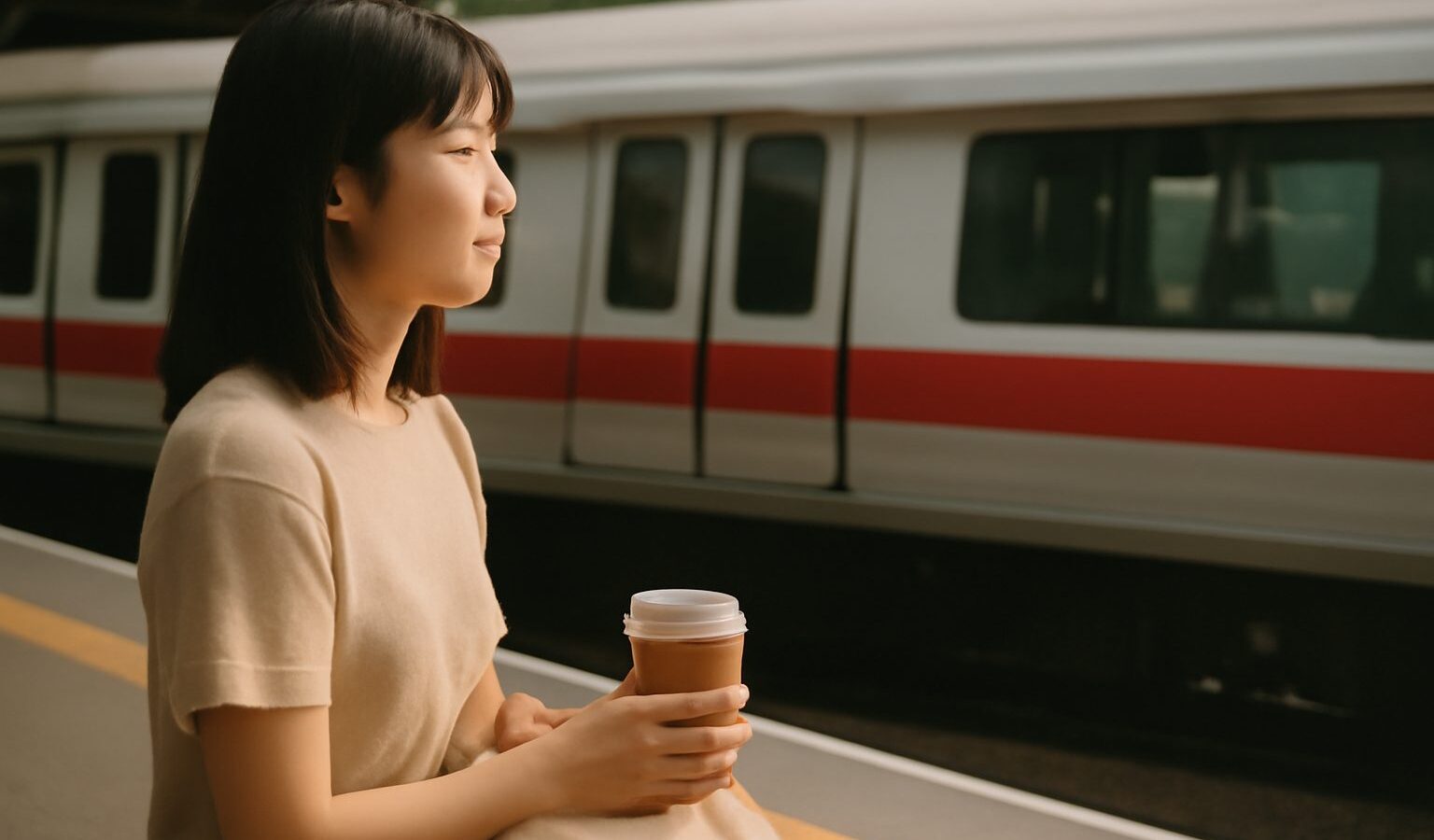
For a small island, Singapore runs a remarkably busy and varied rail network, and that makes it quietly excellent ground for a hobby many people never think to try. Train spotting in Singapore is the simple pleasure of watching, recording, and learning about trains and the transit system that moves millions of us every day. It is affordable, it can be done in short bursts around your normal routine, and it rewards anyone with an eye for detail and a soft spot for how a city keeps moving.
What Transit Spotting Involves
At its core, this hobby is about observation and record keeping. Spotters learn to recognise different train types across the MRT and LRT lines, note liveries and generations of rolling stock, and follow how the network grows as new lines and stations open. Some focus on photography, capturing trains, stations, and the architecture around them. Others keep detailed logs, tracking which units they have seen or how frequencies change through the day. A few branch into the wider world of transit, taking an interest in buses, signalling, and the design thinking behind timetables and interchanges.
The appeal is that it layers depth onto something you already do. Every commute becomes a chance to notice something, and the more you learn, the more the everyday network reveals about engineering, planning, and history.
The Rules Come First
This is a hobby that only works if you respect where you can and cannot go. Never trespass onto tracks, tunnels, depots, or any restricted or staff-only area. The trackside is dangerous and strictly off limits, and there is no photograph worth your safety or a fine. Stay in public areas such as platforms, concourses, and open viewpoints, and always follow the operator’s rules on the MRT and rail network, including staff instructions and posted signs.
Photography also has limits. Some areas prohibit it, particularly around secured or sensitive zones, so watch for signage and do not photograph where it is not allowed. Never use flash toward drivers or in a way that could distract operations, keep clear of the platform edge and behind any markings, and do not block busy walkways for a shot. In short, be an unobtrusive observer. A good spotter is someone station staff never have to worry about.
Gear and Getting Started
You need very little to begin, which is part of the charm.
- A phone or camera for photos, used only where photography is permitted.
- A notebook or an app to log what you see, when, and where.
- A rail map of the network so you can plan good vantage points and understand the lines.
- Comfortable shoes, water, and patience for our warm, humid platforms.
Start with the line you use most. Learn to tell its train generations apart, then set yourself small goals, such as photographing every station on a line from public areas, or logging the different units on your daily route. Over time you will build a genuine familiarity with how the whole system fits together.
Improving and Connecting With Others
The best way to get better is to observe often and read widely about local rail history and future plans. Online transit and rail-enthusiast communities are welcoming and full of knowledge about rolling stock, station design, and upcoming extensions. Sharing your photos and notes there is a fast way to learn and to have your identifications checked.
This hobby sits comfortably beside other spotting and observation pursuits. If you like watching transport, you may well enjoy plane spotting in Singapore, which shares the same patient, log-keeping spirit. Those who love the miniature side of rail often move into building model trains and railways, while photographers may find getting into photography as a hobby deepens their results.
A Practical Wrap-Up
Train and transit spotting turns something ordinary into something you actively enjoy, and it costs almost nothing to try. Keep firmly to public areas, follow every rail rule and sign, and never let a photo tempt you somewhere unsafe or restricted. Do that, and a hobby that started on your daily commute can grow into a genuine appreciation of the quiet, complex system that keeps Singapore on the move.