
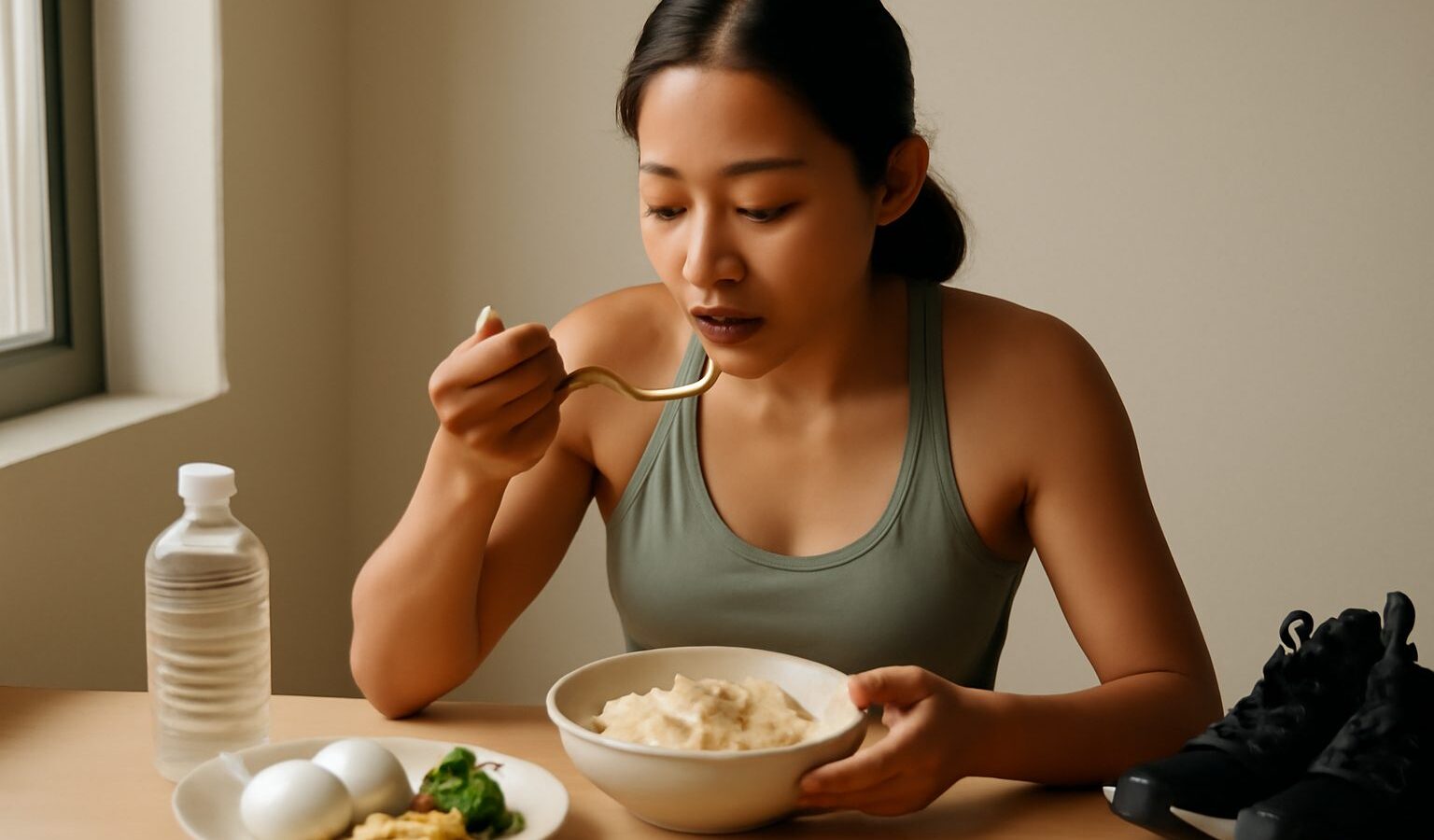
Whether you jog around the estate at dawn, hit the gym after work, play a weekend game of badminton or join a HIIT class in an air-conditioned studio, what you eat around your workout affects how it feels and how you recover. The good news is that everyday exercise does not need special powders, gels or expensive supplements. Knowing what to eat before and after exercise is mostly common sense: light, familiar food that gives you energy going in and helps you recover coming out. This is general guidance for ordinary active people, not sports-medicine or dietitian advice, so adjust it to your own body and needs.

Why Food Around Exercise Matters
Your muscles run mainly on carbohydrate, which your body stores as a fuel called glycogen. Exercise draws on those stores, and it also causes tiny, normal amounts of wear in your muscles that your body then repairs. Eating sensibly before gives you fuel to work with, so you feel stronger and less likely to fade or feel faint. Eating sensibly afterwards gives your body the building blocks, mainly carbohydrate to refill the tank and protein to repair, so you bounce back rather than dragging through the rest of the day.
For most people doing moderate, everyday exercise, this does not need to be complicated or precisely measured. You do not need to hit exact gram targets; those are for competitive athletes working with professionals. If it helps to understand the fuel types first, our guide to understanding macronutrients explains carbohydrate, protein and fat in plain terms.
What to Eat Before Exercise
The main aim before a workout is to have enough energy without feeling heavy, bloated or sluggish. The single biggest factor is timing: how long before you exercise you are eating.
- A proper meal, two to three hours before. If you can plan it, a balanced meal well beforehand is ideal. Think chicken rice with extra vegetables, a wholemeal sandwich, or fish and rice. This gives food time to settle.
- A light snack, thirty to sixty minutes before. If you are exercising soon, keep it small and carbohydrate-based, and go easy on fat and heavy fibre, which digest slowly. A banana, a slice of wholemeal toast, or a small handful of biscuits works well.
- Nothing at all is fine for short, gentle sessions. A morning walk or an easy swim usually does not need pre-fuel, especially if you ate reasonably the day before.
Two things to avoid: a large, greasy or very spicy meal right before you move, which can cause cramps or a stitch, and trying something brand new before an important session. Stick to foods you know your stomach tolerates. If you tend to crash mid-session, that overlaps with our guide to eating for steady energy, which explains slow-release fuel.
What to Eat After Exercise
After exercise, your body is primed to refill fuel and repair muscle, so aim to eat a balanced meal or snack within a couple of hours. There is no need to panic about a narrow window; for everyday exercisers, getting a good meal in reasonably soon is what matters, not stopwatch precision. Combine carbohydrate to restock energy with some protein to support repair.
Happily, plenty of local food fits the bill without any special effort:
- A balanced hawker meal. Fish soup with rice, yong tau foo with a good mix of ingredients, or thosai with dhal all pair carbohydrate with protein.
- A simple home plate. Rice or wholemeal noodles with eggs, tofu or chicken and some vegetables.
- An easy snack if a meal is a way off. Plain yoghurt with fruit, a wholemeal sandwich, or a glass of milk and a banana.
Protein matters for recovery, and you can get plenty from everyday foods rather than shakes; our guide to plant-based proteins is useful if you eat less meat.
Comparing Pre and Post-Workout Eating
It helps to see the two sides together. They share the same principle, real food in sensible amounts, but the emphasis shifts.
| Aspect | Before exercise | After exercise |
|---|---|---|
| Main goal | Fuel up without feeling heavy | Refuel and support repair |
| Focus nutrient | Mostly carbohydrate | Carbohydrate plus some protein |
| Timing | Meal 2 to 3 hours, or snack 30 to 60 minutes before | A meal or snack within a couple of hours |
| Portion size | Smaller if closer to the session | A normal balanced meal |
| Best to avoid | Greasy, very spicy or brand-new foods | Skipping food entirely for hours |
The pattern is clear: lighter and carbohydrate-led going in, fuller and balanced coming out. Neither needs to be fancy.
Staying Hydrated in the Heat
In Singapore’s heat and humidity, hydration is arguably more important than any pre-workout snack. You lose fluid quickly through sweat, even in an air-conditioned gym, and dehydration saps performance and recovery fast. Drink water through the day so you start well hydrated, sip during longer or harder sessions, and rehydrate afterwards.
- Water is enough for most workouts. For everyday sessions of around an hour, plain water does the job.
- Longer or very sweaty sessions. After long outdoor efforts where you have sweated heavily, ordinary meals and drinks usually replace what you lost; you rarely need special sports drinks for typical exercise.
- Go easy on sugary and caffeinated drinks around workouts. They are not ideal for rehydration. See our guide to healthy drinks instead of soft drinks for better swaps.
Listen to your body: dark urine, dizziness or a pounding heart means stop, cool down and rehydrate. In the tropical heat, avoid the hottest part of the day for outdoor exercise where you can.
Making It Work for Your Routine
The best approach is the one you will actually keep up, so fit it around your real life rather than an ideal schedule. If you train straight after work, keep a banana or some biscuits in your bag for the commute, and plan a simple dinner for afterwards. If you exercise first thing, a light snack or nothing may suit you, followed by a proper breakfast. Weekend sports players can simply eat a normal balanced meal a couple of hours ahead and refuel with lunch after.
A few closing reminders. Everyone is different, and appetite, tolerance and needs vary a lot from person to person, so experiment gently and keep what works. This article is general information, not personalised advice. If you have a health condition, an injury, a food allergy, or you are training seriously or making big changes to your diet, speak to your doctor or an accredited dietitian, and see a doctor before starting a new exercise programme if you have any medical concerns. Get the basics right, stay hydrated, and everyday exercise nutrition becomes one less thing to worry about.
Frequently Asked Questions
Is it better to exercise on an empty stomach to burn more fat? Not necessarily. Some people feel fine training fasted, especially for easy sessions, but it does not guarantee better fat loss, and others feel dizzy or weak. Overall energy intake and consistency matter more. If you feel unwell, eat something light first.
Is caffeine or a pre-workout drink safe before exercise? A cup of coffee or tea is fine for most healthy adults and may help alertness. Strong pre-workout powders can contain large doses of caffeine and other additives, which may cause a racing heart or jitters. Check with a doctor if you have heart problems or high blood pressure.
What should teenagers who play sport eat before and after training? Teenagers who train need enough energy overall, so regular meals with carbohydrate, protein and vegetables matter most, plus a light snack such as a banana or sandwich before sessions. Encourage water and avoid relying on energy drinks. A paediatrician or dietitian can help with specific concerns.
What if I feel sick or get cramps when I eat before running? Try eating earlier, keeping the meal smaller, and choosing low-fat, low-fibre foods such as a banana or plain toast. Practise with foods during training, not on the day that counts. If nausea or cramps keep happening, speak to a doctor.
Is it fine to eat a proper meal after a late-night workout? Yes, if you are hungry. Going to bed with an empty stomach after hard exercise is not ideal for recovery, but a very heavy meal can disturb sleep. A lighter meal or snack with protein and carbohydrate, such as eggs on toast or yoghurt with fruit, usually works well.
Further reading: What to Eat Before a Hike in Singapore Without Feeling Heavy · Carb Loading for Endurance