
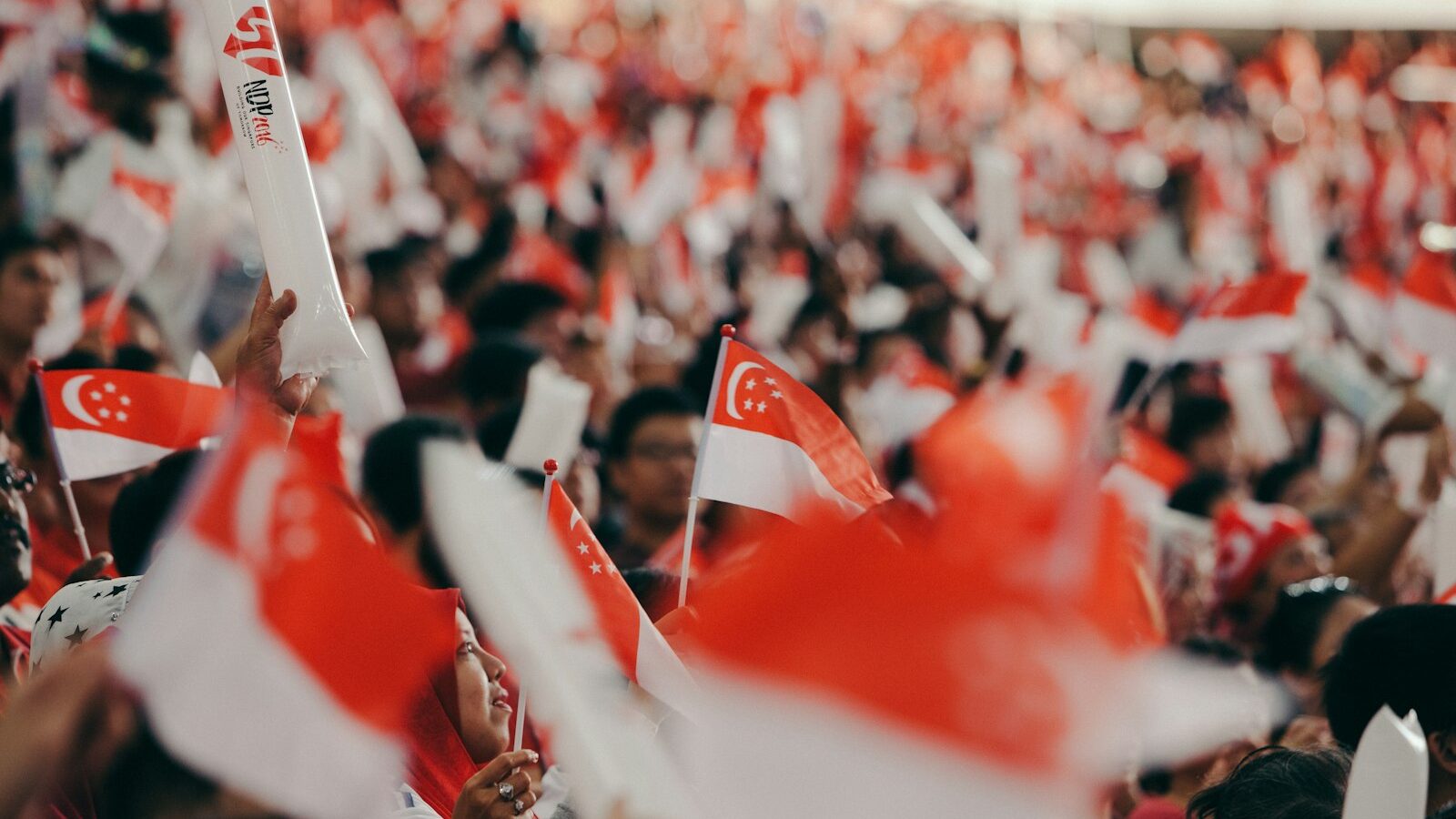
Few places give children a richer calendar than Singapore, where Chinese New Year, Hari Raya, Deepavali, Christmas and Vesak all sit within one busy year. Sharing festivals and culture with kids is one of the warmest, least complicated joys of family life: it costs little, it happens naturally at home, and it hands children a sense of who they are and where they belong. You do not need to be an expert in every tradition or to host a perfect celebration. Small, honest moments repeated year after year are what children remember. This is a gentle guide for parents who want to make more of these days without adding pressure to an already full life.
Whether your family keeps one main festival or moves through many, the aim is the same: to help children feel connected, curious and proud of the mix of cultures around them.
Why Traditions Matter for Children
Traditions give children a rhythm they can count on. When a child knows that reunion dinner comes every Chinese New Year, or that the flat smells of festive baking each December, the year gains shape and meaning. That predictability is quietly reassuring, much like a steady bedtime, and it helps children feel rooted.
Festivals also carry a family’s story. The recipes, the songs, the way an elder is greeted: these pass down values without a single lecture. Children learn generosity from giving, patience from waiting for a special meal and respect from visiting grandparents. In a multicultural society, celebrating widely also builds openness, since a child who has tasted a neighbour’s festive treats is more likely to grow up curious rather than wary. Our guide on raising a child in a multicultural family explores this further for homes that blend more than one heritage.
Simple Ways to Involve Your Kids
Children remember festivals best when they help make them, not just watch. The work of preparing is where the memories live. Try to give even young children a real job:
- Cook and bake together. Let little hands stir the pineapple tart filling, fold dumplings or shape kuih. Supervise closely around hot stoves and sharp tools, and match tasks to age.
- Decorate the home. Hang lanterns, string fairy lights, make a rangoli with coloured rice or fold ketupat casings. Displaying a child’s handiwork gives them pride of place.
- Tell the story. Explain simply why the festival matters, in your own words. Children love the tale behind the lights, the fasting or the reunion.
- Dress up. Wearing a cheongsam, baju kurung, saree or a Christmas jumper turns an ordinary day into an occasion a child feels part of.
- Give and share. Handing out oranges, packing goodie bags for neighbours or donating toys teaches that festivals are about others too.
Cooking together is one of the richest ways in, and our guide on building healthy family mealtimes has ideas for turning festive food into calm, shared moments rather than a rushed spread.
A Year of Festivals at a Glance
Singapore’s calendar offers many easy entry points. You do not have to mark them all, but the mix below shows how much is within reach, and how each one can suit a child’s involvement. Dates shift each year, so check the current public holiday calendar.
| Festival | A simple way in for kids | What children often enjoy |
|---|---|---|
| Chinese New Year | Fold dumplings, help clean the home | Reunion dinner, red packets, visiting |
| Hari Raya Puasa | Bake pineapple tarts, tidy for guests | New clothes, open houses, forgiving and greeting |
| Deepavali | Make a rangoli, light diyas safely | Colours, sweets, lights and family gatherings |
| Christmas | Decorate a tree, wrap small gifts | Carols, giving, a festive meal together |
| Vesak Day | Visit a temple, do a kind deed | Lanterns, gentle rituals, acts of kindness |
Always supervise young children around candles, diyas, sparklers and hot food, and keep matches and lighters out of reach.
Honouring Your Own Culture and Others
Children take their cues from you. If you speak warmly about your own heritage and about your neighbours’, they learn that many ways of celebrating can sit side by side. When friends of another faith or race invite your family to an open house, say yes where you can. Teaching children to greet hosts politely, to try the food offered and to ask questions kindly turns a visit into a lasting lesson in respect.
Language is part of culture too. Using dialect words for festive foods, teaching a Hari Raya or Deepavali greeting, or singing a carol in another language all deepen a child’s sense of belonging to the wider Singapore family. If your household blends traditions, let children enjoy the whole mosaic rather than feeling they must choose. Openness at home tends to grow into gratitude, and our guide on raising grateful children has more on turning celebration into thankfulness.
Keeping Celebrations Calm and Meaningful
It is easy for festivals to tip into stress: the spring cleaning, the cooking, the crowds and the cost can leave parents frazzled and children overtired. A few gentle habits keep the meaning at the centre:
- Do less, well. One heartfelt tradition beats a dozen rushed ones. Pick what your family loves and let the rest go.
- Mind the budget. Festivals need not be expensive. Homemade decorations, potluck gatherings and second-hand festive wear all keep costs down without dimming the joy.
- Protect rest and routine. Late nights and rich food add up, so guard naps and quiet time where you can, especially for younger children.
- Make a small ritual your own. A yearly photo in festive dress, a handwritten note of thanks or a special dish that only appears once a year becomes the thing children look forward to most.
Capturing these moments is worthwhile. Our guide on documenting and preserving childhood memories suggests easy ways to keep a festive photo book or voice note that your children will treasure later.
In the end, celebrating festivals and culture with your kids is less about grand gestures and more about showing up, year after year, with warmth and a little effort. The lanterns come down and the tarts run out, but the feeling of belonging that these days build stays with a child for life.
This article is general information for parents. For guidance specific to your family’s faith, health or dietary needs, please consult the relevant community or a qualified professional.