
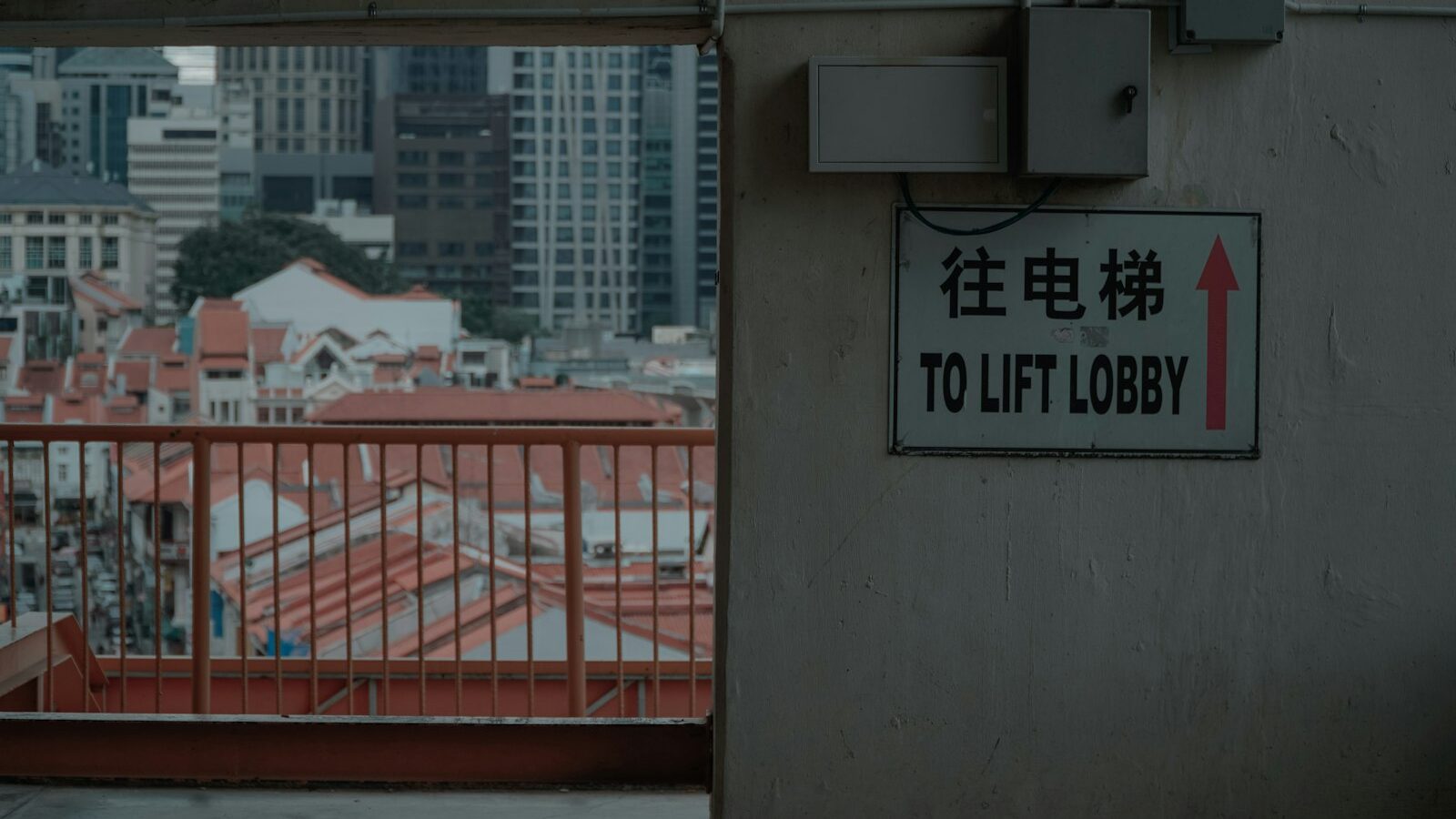
In the heart of old Chinatown, two big concrete buildings tell the story of how Singapore rehoused its street life in the decades after independence. This Chinatown Complex Singapore guide looks at the Chinatown Complex and its neighbour, People’s Park Complex and People’s Park Centre, a cluster of pioneering post-war landmarks that gathered the district’s hawkers, market traders, and shopkeepers under one roof. They are not glamorous, but they are beloved, and they hum with the everyday culture of the Kreta Ayer area: sizzling woks, bargaining voices, and the smell of roast meats and herbal tea.
From Street Stalls to Civic Landmarks
For much of the twentieth century, Chinatown’s commerce spilled onto the streets. Hawkers cooked at the roadside, traders laid out goods on five-foot-ways, and the lanes around Kreta Ayer, the old name for the area, teemed with life. It was vibrant but crowded, and the authorities wanted cleaner, safer, better-organised spaces as the young nation modernised.
The answer was to build. In the post-independence decades, planners created large multi-storey complexes to bring street trade indoors. The Chinatown Complex was built to house a wet market and a vast hawker centre, giving the district’s food sellers permanent stalls. Nearby, People’s Park Complex reimagined the shopping and living block for a tropical Asian city. Together they marked a shift from improvised street life to planned civic infrastructure, without erasing the community that made Chinatown what it was. For exact dates and planning history, the Urban Redevelopment Authority and National Heritage Board are the best sources.
Bold Modernist Architecture
These buildings matter to architects, not just diners. People’s Park Complex is celebrated as a landmark of tropical modernism, an early example of a mixed-use megastructure that combined shops, offices, and homes in one bold concrete form. Its interior was designed around a soaring covered atrium, sometimes described as a “city room”, a sheltered public space where crowds could gather, shop, and mingle out of the sun and rain. The idea influenced later shopping centres across the region.
People’s Park Centre and the Chinatown Complex share that same confident, no-frills spirit: robust concrete frames, stacked functions, and interiors built for heavy daily use rather than show. To many, they look plain from the outside, yet they were genuinely forward-thinking in how they layered a whole neighbourhood’s activities into a single structure. Understanding that ambition changes how you see them.
What to See and Do Today
The real draw is the life inside. Here is a quick guide to what each building offers.
| Building | What it is known for | What to look for |
|---|---|---|
| Chinatown Complex | Wet market and huge hawker centre | Rows of food stalls, a famous soya sauce chicken stall, dried goods |
| People’s Park Complex | Landmark modernist mixed-use block | The covered atrium “city room”, shops and services |
| People’s Park Centre | Bustling shopping and services hub | Money changers, textiles, electronics, snack shops |
| Surrounding streets | Traditional Chinatown trades | Medical halls, temples, teahouses nearby |
The Chinatown Complex hawker centre is one of the largest in Singapore, with hundreds of stalls serving everything from noodles and roast meats to porridge and desserts. Downstairs, the wet market sells fresh produce, seafood, and dried goods, and upstairs the food centre fills with hungry crowds, especially at lunch. People’s Park Complex and Centre remain busy with money changers, tailors, remedy shops, and small eateries. Opening hours vary by stall and shop, and some close on particular days, so check ahead if you are making a special trip.
Part of the joy here is the mix of old trades and new faces. You will find veteran hawkers who have cooked the same dish for decades beside younger stallholders trying new ideas, and shoppers of every background threading between the stalls. The buildings are workaday and a little worn, but that patina is honest, the mark of places used hard and loved long. For visitors, they offer a taste of Singapore that no polished mall can replicate.
Cultural Significance
These complexes are living heritage of a very ordinary, essential kind. They represent how Singapore chose to keep its hawker and trading culture alive while modernising, moving it off the streets and into managed, hygienic spaces without killing its character. The result is a food and market culture that still thrives, now recognised as part of the island’s identity. Hawker culture in Singapore has even been inscribed on a national and international level as intangible cultural heritage, and centres like this one are where it lives day to day.
They also capture a distinct era of Singaporean design and optimism, when architects believed a single building could hold an entire community’s life. As debates continue about conserving post-war modernist buildings, People’s Park Complex in particular has become a touchstone for those who value this chapter of the nation’s built history. For heritage lovers, these are honest, working monuments rather than polished showpieces.
Visiting the Chinatown Complex and People’s Park
Getting here is easy. The Chinatown MRT station, served by the North East and Downtown Lines, sits right by People’s Park Complex, and it is a short walk to the Chinatown Complex along the busy streets of Kreta Ayer. Several bus services also pass through the area.
Come hungry and give yourself time to wander. Start with a meal at the Chinatown Complex hawker centre, then explore the market below and the shops around People’s Park. The area rewards curiosity, so duck into the side streets to find medical halls, temples, and teahouses. Wear light clothing, stay hydrated, and be patient with the crowds, which are part of the experience. As always, prices and hours change, so check official listings for anything you specially want to see.
Explore More
If the everyday heritage of Chinatown speaks to you, keep exploring the district’s older layers. Step into one of its most historic temples in our Sri Mariamman Temple history guide, or visit the seafarers’ temple by the old shoreline in our Thian Hock Keng Temple guide. For another bold landmark of modern Singapore, read our Golden Mile Complex history.