
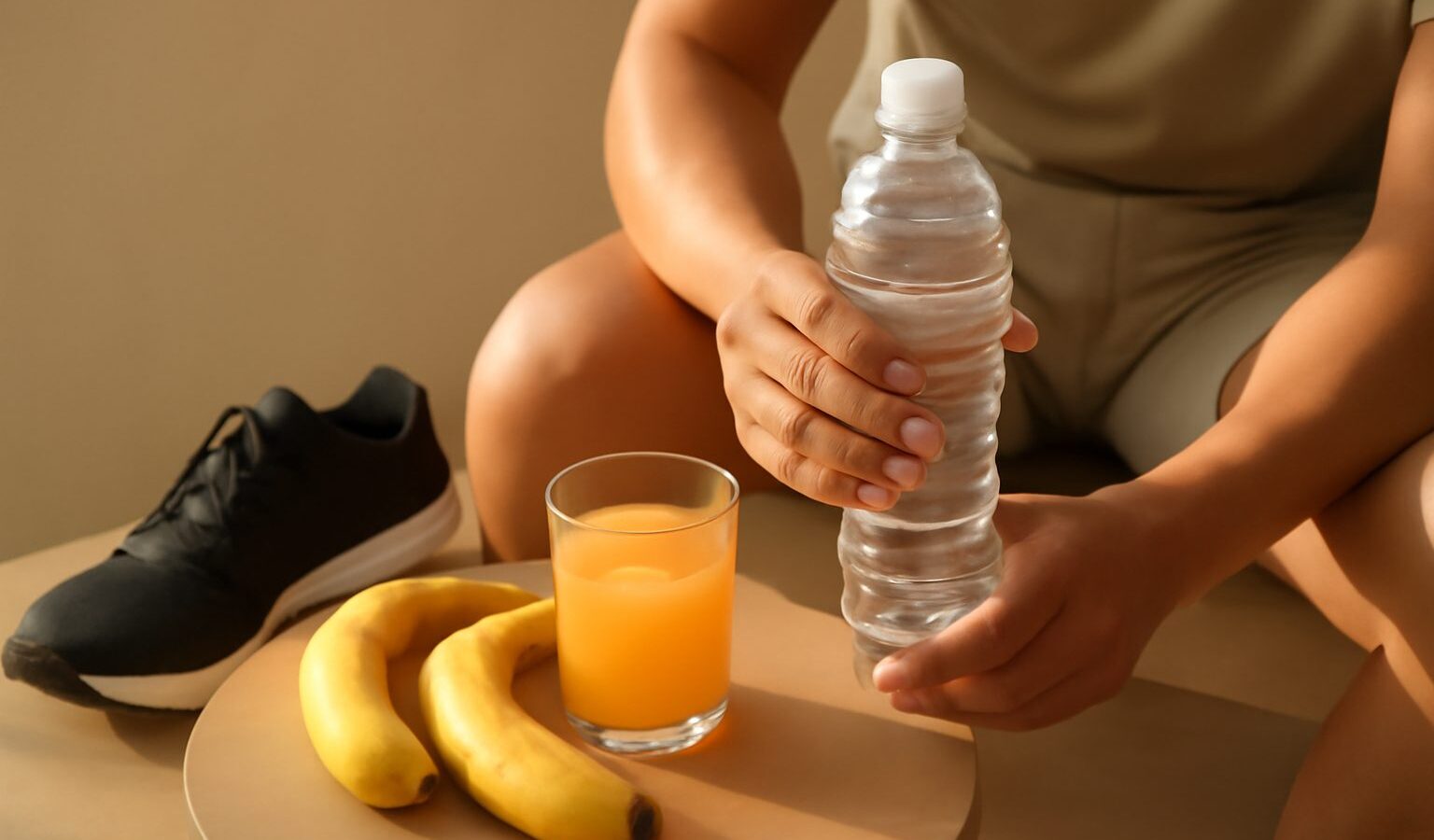
Between the heat, the humidity and a growing love of running, cycling and gym workouts, plenty of people are asking whether they need special drinks to stay topped up. Interest in electrolytes in Singapore has taken off, with sports drinks, powders and tablets everywhere you look. But do you really need them, or is plain water enough? This guide clears up when electrolytes matter and how to hydrate sensibly.
Before we go on, a quick note. This is general information, not medical or dietitian advice. Most healthy people can hydrate well with simple habits, but individual needs vary. If you have a health condition such as heart or kidney problems, are on medication, or have concerns about your hydration, please check with a doctor or dietitian for advice suited to you.
What Electrolytes Actually Do
Electrolytes are minerals in your body that carry a small electrical charge. The main ones include sodium, potassium, chloride, calcium and magnesium. They help your body do everyday jobs such as balancing fluids, supporting muscle contractions and keeping nerves working properly.
You lose some of these minerals through sweat, which is why they come up so often in conversations about exercise and hot weather. The important thing to understand is that, under normal circumstances, your body is very good at keeping these minerals in balance, and a regular diet replaces what everyday life uses up. Electrolytes become more of a talking point only when you are losing a lot through heavy, prolonged sweating.
When Water Is Enough
Here is the message that often gets lost in the marketing. For most everyday activity, plain water is perfectly enough. A gentle walk, a short gym session, some stretching or a bit of light sport does not deplete your electrolytes to any worrying degree, and your next normal meal will comfortably top them back up.
You do not need a sports drink to sit at your desk, run errands or do a half hour workout. Reaching for one out of habit can add unnecessary sugar and calories without any real benefit. Water, sipped regularly through the day and around your activity, does the job well for the vast majority of situations. Keeping it simple is usually the smart choice.
When Electrolytes Genuinely Help
There are times when electrolytes matter more, and it is worth knowing where the line sits. The key factors are how long and how intensely you are exercising, and how much you are sweating.
If you are doing long or intense exercise that leaves you drenched in sweat, particularly for an hour or more in Singapore’s heat and humidity, replacing lost fluid and some electrolytes can help. Think of a long run, a hard cycling session, an extended sports match or heavy training in the midday sun. In these cases, sweat loss is high enough that plain water alone may not fully restore the balance, and a source of electrolytes can be useful.
| Situation | Usually enough |
|---|---|
| Desk work and daily errands | Plain water |
| Short or light workout | Plain water |
| Moderate session under an hour | Plain water, plus food |
| Long or intense sweaty exercise | Water plus some electrolytes |
Even then, you have options beyond commercial sports drinks. A balanced meal or snack after exercise, containing a little salt and foods rich in potassium such as bananas, replaces electrolytes naturally. For heavy sessions, some people use electrolyte drinks or tablets, but these are a tool for specific situations rather than an everyday essential.
A Word on Sugary Sports Drinks
Many popular sports drinks are surprisingly high in sugar. For an elite athlete pushing through a gruelling event, that quick energy may have a purpose. For the average person doing a moderate workout, it often just adds sugar you do not need, which can quietly work against your health and fitness goals.
If you do choose an electrolyte drink for a long, sweaty session, it is worth being a little choosy. Some options are lower in sugar than others, and plain versions or tablets you add to water let you control what goes in. Be wary of treating sugary sports drinks as a healthy everyday beverage. They are designed for particular demands, not for casual sipping through the day. For general hydration, water remains the sensible default.
Practical Hydration in the Heat
Singapore’s climate means you can lose fluid quickly, even without intense exercise, so staying generally well hydrated matters. The simplest approach is to drink water steadily across the day rather than gulping a large amount all at once. Carrying a refillable bottle makes this easy and helps you keep track.
Around exercise, have a drink before you start, sip during if the session is long, and rehydrate afterwards. A useful rough guide many people rely on is the colour of their urine, since pale straw usually suggests good hydration while dark yellow suggests you need more fluid. Listen to your body too. Thirst, a dry mouth, tiredness or a headache can all be gentle nudges to drink more, especially on a hot and humid day.
It is also possible, though far less common, to overdo fluids by drinking huge amounts of plain water very quickly during extreme endurance events. This is another reason that, for very long efforts, a sensible balance of fluid and electrolytes matters, and why professional guidance helps for serious endurance training.
The Simple Takeaway
For the great majority of people and activities, hydration is refreshingly simple. Drink water regularly, eat balanced meals, and pay attention to how you feel and the demands of the day. Electrolytes are not something most people need to fuss over for everyday movement.
Save the electrolyte drinks and tablets for what they are actually built for: long, intense, sweaty sessions where you lose a lot through your skin. Keep an eye on sugar, favour water as your default, and let a doctor or dietitian advise you if you have a health condition or train seriously. Hydrate sensibly, and your body will handle the rest.
Explore more
Staying Hydrated in Singapore’s Heat
Nutrition Basics: A Beginner’s Guide
Eating for a Healthy Heart
A Simple Guide to Vitamins and Supplements