
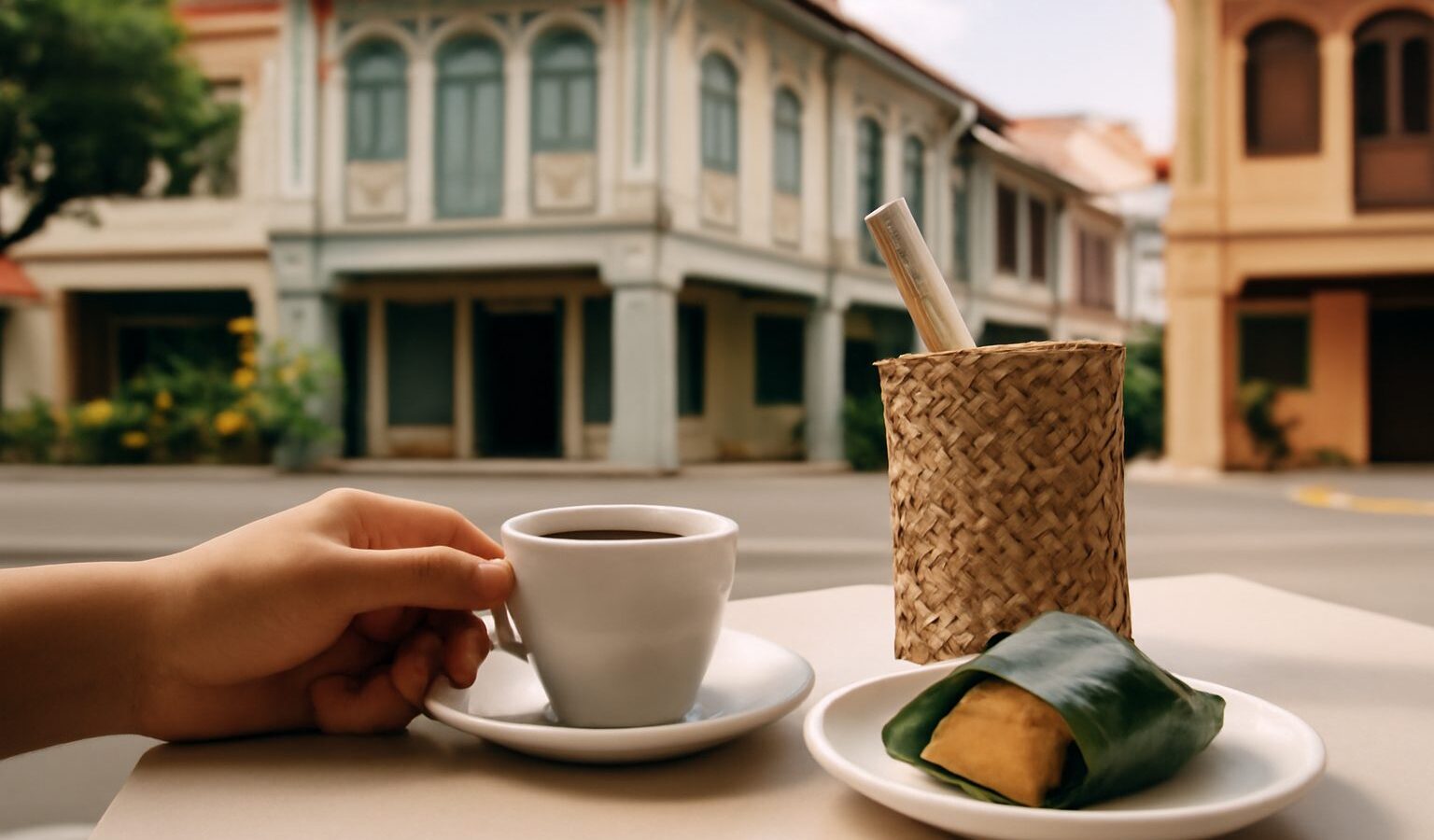
Few Singapore neighbourhoods are as widely talked about, and as often misunderstood, as Geylang. Depending on who you ask, it is a food destination, a religious and community centre, an old residential quarter, or simply the place you go for supper when everywhere else has closed. All of these are true at once, which is what makes Geylang heritage in Singapore such a rich subject. This is a district of narrow lanes, old shophouses, temples and mosques, family businesses and some of the best-known eating in the country, layered together over a long history.
This guide focuses on that heritage, food and character, and on how to enjoy Geylang thoughtfully and with respect.

The Lorongs and the Layout
Geylang’s geography is unusually legible. A long main road runs through the district, and off it branch a series of numbered side lanes called lorongs, odd numbers on one side and even on the other. Locals give directions by lorong, and learning to read them is the quickest way to feel oriented. The grid of lorongs gives Geylang its distinctive texture, a dense weave of low buildings, back lanes and corner coffee shops.
Much of the built environment is made up of older shophouses and terrace houses, some conserved and freshly painted, others weathered and still in daily use. Because the district developed over a long stretch of time, you find a mix within a single street: a temple next to an eating house, a clan or community association above a shop, a modern hostel beside a decades-old business. This is a genuinely mixed neighbourhood, and its character comes precisely from that overlap rather than from any single use.
It is worth naming plainly that Geylang also has a red-light reputation and a nightlife side. That exists, but it is only one part of a much larger, ordinary district where families live, worship, run businesses and eat. This guide stays with the heritage, community and food that most define the area for the people who use it every day.
Temples, Mosques and Community Life
Geylang and the adjoining Geylang Serai area have long been important to Singapore’s Malay-Muslim community and to several other communities as well. Along and around the district you will find mosques, Chinese temples and other places of worship, sometimes within a short walk of one another. This closeness of different faiths and communities is a big part of what makes Geylang feel like living heritage.
Geylang Serai in particular is well known as a centre of Malay culture and commerce, and it comes especially alive during the fasting month and the lead-up to Hari Raya, when a large bazaar draws crowds for food, clothing and festive goods. Practices and offerings vary from year to year and from community to community, so treat any specific detail as something to check closer to the time.
If you visit religious sites in Geylang, a few basic courtesies go a long way:
- Dress modestly, with shoulders and knees covered.
- Remove your shoes where required and follow posted signs.
- Keep your voice low, and ask before photographing people or interiors.
- Be mindful during prayer times and festival periods, when sites are busier.
Treating these places as working houses of worship rather than photo stops is the respectful way to experience this side of the district.
Why Geylang Is a Food Legend
For many Singaporeans, Geylang is simply where you go to eat, especially late. The district is famous for staying open long after other neighbourhoods have gone quiet, which has made it a natural home for supper culture. The food here spans hawker classics, tze char cooking, regional specialities and street snacks, and the quality can be very high.
A few things Geylang is particularly known for:
- Beef kway teow. Flat rice noodles with beef, a dish the district has a strong reputation for, whether dry with a rich sauce or in soup.
- Frog leg porridge. A local delicacy, usually a claypot of frog legs in a savoury or spicy gravy eaten alongside plain porridge.
- Durian. Geylang is one of the classic places to buy and eat durian in season, with stalls that let you pick your fruit and eat it on the spot.
- Late-night hawker and tze char. From noodles to seafood, Geylang is a go-to for supper when a craving hits after midnight.
As always, specific stalls come and go, so use these as categories to explore rather than fixed addresses, and check current details before you make a special trip.
Here is a quick comparison to help you plan what to seek out.
| Geylang speciality | What it is | When to go | Good to know |
|---|---|---|---|
| Beef kway teow | Flat rice noodles with beef, dry or in soup | Evening to supper | Ask for dry or soup; both have their fans |
| Frog leg porridge | Claypot frog legs with plain porridge | Dinner to late night | Often ordered to share, with spicy or savoury gravy |
| Durian | Seasonal thorny fruit, eaten fresh | Durian season | Prices and varieties change; taste before you commit |
| Late-night tze char | Cooked-to-order dishes over rice | Late night | Great for groups; peak crowds after other areas close |
Enjoying Geylang the Respectful Way
Geylang rewards visitors who come with curiosity and good manners. Because it is a dense, mixed and lived-in district, the best approach is to move through it with awareness of the people around you. Come for the food and the heritage, stay considerate, and you will find the neighbourhood generous and full of life.
Some practical, respectful pointers:
- Go for the food and community, and be discreet. Enjoy the eating houses, temples and bazaars, and avoid gawking at the nightlife side of the district.
- Mind the traffic and the lanes. The lorongs can be busy with cars and delivery bikes, so watch where you walk, especially at night.
- Support the long-runners. Family businesses and old eating houses are the backbone of Geylang’s character, so give them your custom and your patience during a rush.
- Verify specifics. Opening hours, stalls and offerings shift, so check current details rather than relying on an old tip.
Approached this way, Geylang is one of the most rewarding neighbourhoods in Singapore, a place where heritage, faith, community and food genuinely share the same streets.
Explore More
To place Geylang within the wider story of Singapore’s communities, read our guide to Singapore’s ethnic enclaves and, for another lived-in heritage district, our Changi heritage and history guide. If the eating drew you in, our supper spots guide and durian for beginners are natural next stops.
Frequently Asked Questions
Is Geylang a good place to bring the family for dinner? It can be, especially along the main road and around Geylang Serai, where eating houses, durian stalls and tze char restaurants welcome families. Going for an early dinner rather than late supper makes it more comfortable with children. Parents who prefer to avoid the nightlife lorongs can simply plan their route around them.
When is durian season in Geylang? Durian supply is usually strongest around the middle of the year, with a smaller second season in some years, but timing shifts with weather and harvests in Malaysia. Stalls in Geylang often sell durian outside peak months too, though choice and prices vary. Ask stallholders what is fresh before committing to a fruit.
What is the best way to get around Geylang? Walking is the easiest once you are there, since the lorongs branch off one long main road and are close together. Several MRT stations sit near the edges of the district, and buses run along the main road. Plan with a journey planner app and avoid driving at peak supper hours, when parking is tight.
What should I know before visiting the Geylang Serai Ramadan bazaar? Expect heavy crowds, especially in the evenings close to breaking fast and on weekends, so go earlier or on a weekday if possible. Bring a reusable bag and water, and be mindful of people buying food to break their fast. The bazaar’s format and dates change yearly, so check current announcements first.