
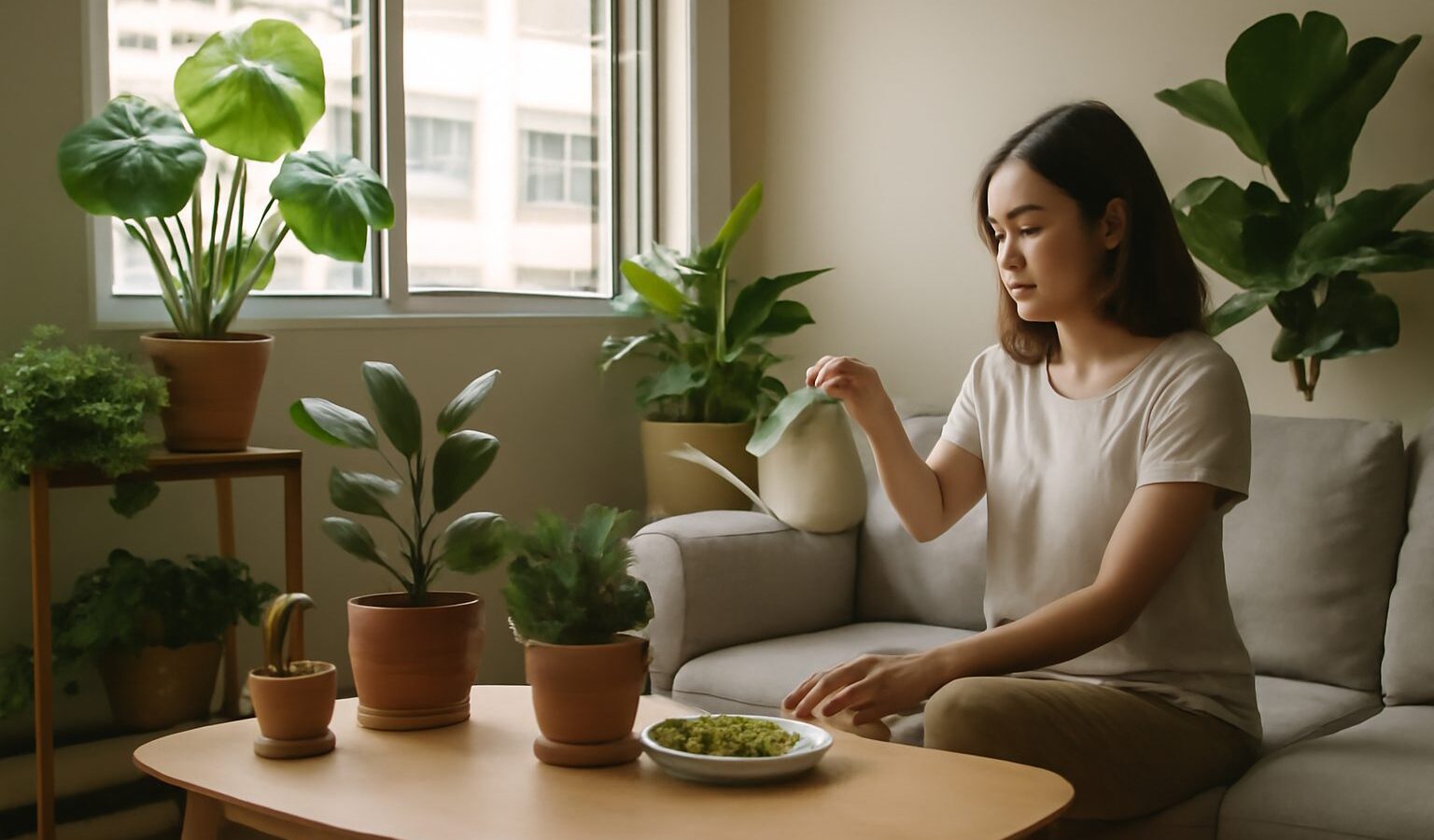
Living in a flat can feel like a limitation when you think about sustainability, but green living hdb singapore style has a quiet secret: the HDB flat is already one of the lower-carbon ways to live in a city. Homes are compact, so there is less space to cool and light. Shared walls mean neighbours help insulate each other. Most estates sit within a short walk of an MRT station, buses and daily needs, and every block comes with recycling in reach. The constraints are real, but so are the built-in advantages. This guide is about working with both to build an achievable, flat-friendly low-carbon life.
Why a Flat Is a Head Start
It is worth naming the advantages before the swaps, because they shape everything else. A smaller home takes less energy to keep cool and lit than a landed house of the same standard. Sharing walls and floors with other units reduces heat gain and loss compared with a standalone building exposed on all sides. And the way estates are planned, with transport, hawker centres, markets and shops close by, means many trips can be done on foot, by bus or by train rather than by car.
Add the blue recycling bins at the void deck, and in some blocks recycling chutes, and a lot of green infrastructure is simply already there. Your job is less about heroic effort and more about using what the flat gives you.
Saving Energy in a Compact Home
Energy, mostly cooling, is where a flat’s footprint is won or lost. The tropical climate makes air-conditioning the biggest single draw in many homes, so this is the highest-value area to focus on.
- Set the aircon to 25 degrees or higher and run a fan with it. Moving air feels cooler, so you can raise the temperature without losing comfort.
- Make the most of cross-ventilation. Opening windows on opposite sides of the flat in the cooler parts of the day can delay switching the aircon on at all.
- Service the aircon and clean its filters regularly so it runs efficiently.
- Choose appliances with better energy labels when you replace them, and switch things off at the socket rather than leaving standby lights glowing.
- Use LED lighting and let in daylight where you can.
These habits stack, and they lower your bill as much as your emissions. For a deeper walkthrough, see saving electricity at home in Singapore.
Water, Waste and Everyday Swaps
A flat makes water and waste habits easy because everything is close at hand. On water, small fixtures and habits go a long way: fixing dripping taps promptly, taking shorter showers, running the washing machine with full loads, and using a basin to catch water for plants or cleaning. PUB has water-saving guidance and thimbles that reduce flow without you noticing much difference.
On waste, the blue recycling bin at your block takes clean paper, cardboard, plastic, metal and glass. The single most useful habit is keeping recyclables clean and dry, since a greasy container can spoil a whole bag. Check current guidance from the NEA on what belongs in the blue bin, and use the designated e-waste and lighting collection points rather than the general chute for those items. Cutting waste at the source, by carrying a reusable bag and bottle and refusing packaging you do not need, beats recycling after the fact.
Here is how the main areas of a flat map to a realistic green action.
| Flat area | Green action |
|---|---|
| Living room and bedrooms | Aircon at 25 degrees with a fan; LED lights; switch off standby power |
| Kitchen | Full loads, meal planning to cut food waste, keep recyclables clean and dry |
| Bathroom | Shorter showers, fix leaks quickly, water-saving fittings from PUB |
| Service yard | Sort recycling, store an e-waste box, air-dry laundry instead of using a dryer |
| Balcony or windows | Container garden for herbs and leafy greens |
| Void deck and estate | Blue recycling bins, e-waste points, walk or take transit for nearby trips |
Food and a Little Greenery
Food is a big part of any footprint, and a flat kitchen handles it well. Planning meals so less food is wasted, cooking plant-forward dishes more often, and shopping at the wet market with your own bags all fit small-space living. Storing food properly in a compact fridge, and cooking just enough, keeps both waste and your grocery bill down.
Greenery is where flat dwellers often think they are stuck, but a sunny balcony, corridor or window ledge is enough to grow herbs, chillies, leafy greens and a few pots of plants that cool and soften the space. Container gardening suits the HDB layout, and it connects you to what you eat. Our guide to growing your own food in Singapore covers what thrives in our climate and how to start with almost no space.
Working With Limited Space
Small space is the honest constraint, so the trick is choosing tools that earn their footprint. A few principles help:
- Go compact and multi-use. A single tumbler or bokashi bin, a slim recycling sorter, a fan that folds away.
- Store vertically. Wall hooks, stacked bins and railing planters use height instead of floor.
- Keep systems simple enough to maintain. An overflowing recycling corner or a fussy compost bin that smells will not last. Pick what fits your routine.
- Share where you can. Community gardens, repair events and neighbourhood giveaways extend what your flat can hold on its own.
The goal is a setup you barely have to think about, because habits that demand constant effort quietly fade.
Making It a Household Habit
Green living in a flat sticks when the whole household is in on it, not when one person nags. Make the easy path the default: a clearly labelled recycling spot by the door, the reusable bags hung where you grab your keys, the aircon remote set to a sensible temperature everyone accepts. Involve children in watering the balcony pots or sorting the bins so it feels normal rather than a chore.
Celebrate small wins, like a lower bill or a month of full recycling bags, and let the routine carry you rather than willpower. A flat gives you a head start on low-carbon living. Working with its compact space, shared walls and nearby amenities, an ordinary HDB home can be one of the greenest places to live in Singapore.
Explore More
Put the biggest levers to work with saving electricity at home in Singapore, since cooling is a flat’s largest footprint, then turn your balcony or windows into a tiny farm with growing your own food in Singapore.
Related across Sky Media: Buying an HDB Flat as a Single in Singapore · Selling Your HDB Flat: The Process Explained