
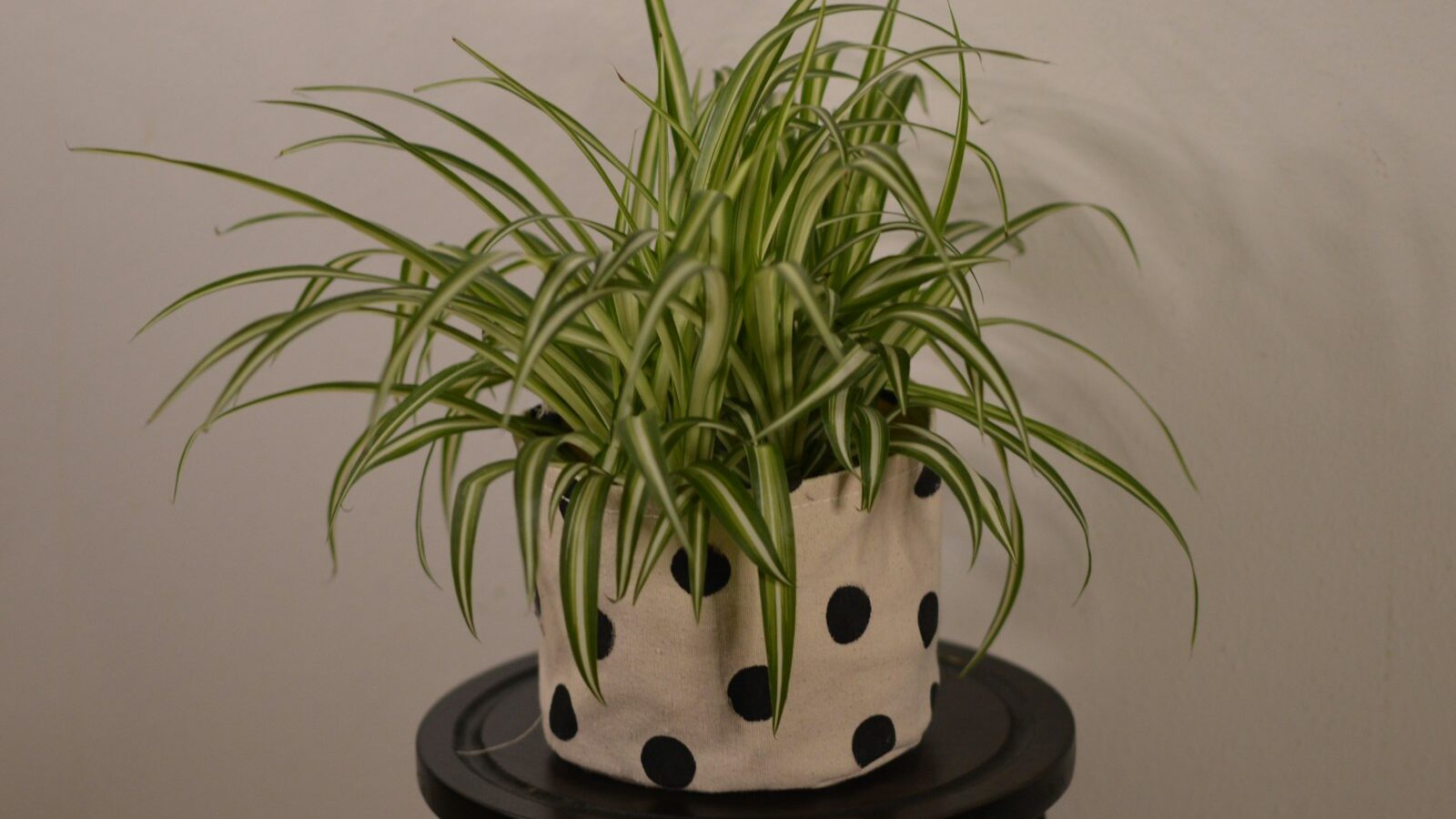
For a splash of colour that is not a flower, few houseplants beat the cheerful polka dot plant. Growing a polka dot plant in Singapore is a genuine pleasure because, unlike fussy succulents, this leafy little charmer actually loves our warmth and humidity. Native to warm, damp parts of Madagascar and South East Asia, Hypoestes phyllostachya feels right at home here, decorating its green leaves with freckles and splashes of pink, white or red. It stays small, works beautifully on a bright shelf or desk, and asks mainly for steady moisture and good light.
A Tropical Plant That Suits Our Climate
Most houseplant guides written for temperate countries warn that the polka dot plant needs high humidity and cannot bear cold or dry air. In Singapore that is not a problem at all, which is why it thrives here with so little effort. Our warm, moist air is exactly the environment it evolved in, so you can skip the humidifiers and pebble trays that overseas growers fuss over.
The plant is grown for its foliage rather than its flowers. In fact many gardeners pinch off the small, spiky purple flower spikes when they appear, because once a polka dot plant flowers and sets seed it tends to go leggy and decline. Kept bushy and leafy, it is one of the most colourful compact plants you can grow indoors, and it pairs well with plain green foliage plants that let its speckles pop.
Light for the Best Colour
Light controls how vivid the freckles look. In bright, indirect light the pink, white or red markings stay bold and the plant keeps a compact, bushy shape. Too little light and two things happen: the colour fades back towards plain green as the leaves work harder to photosynthesise, and the stems stretch and grow leggy, with wider gaps between the leaves.
Aim for a bright spot out of harsh direct sun, such as near an east-facing window with gentle morning light, or a little back from a bright window. Avoid hot, direct midday or afternoon sun through glass, which can scorch and bleach the delicate leaves. If your plant looks pale and leggy, move it somewhere brighter; if the leaves look faded or crisp at the edges, it may be catching too much direct sun.
Watering and Humidity
Unlike a succulent, the polka dot plant likes its soil kept lightly and evenly moist, never soggy and never bone dry. In our warm climate the compost can dry out quickly on a bright shelf, so check it often. Water when the top centimetre or so feels dry, moisten the pot thoroughly and let the excess drain away. This is a plant that will dramatically wilt and flop if it gets too dry, then usually perk back up within an hour of watering, though repeated wilting stresses it, so try not to let it reach that point.
The flip side is that soggy, airless compost causes root rot, so a pot with drainage holes and a free-draining but moisture-retentive mix is essential. You do not need to mist it in Singapore; our ambient humidity already does that job. Empty the saucer after watering so the roots never stand in water.
Polka Dot Plant Care at a Glance
| Care factor | What the polka dot plant wants in Singapore |
|---|---|
| Light | Bright but indirect; too little dulls the colour |
| Watering | Keep evenly moist, never soggy or bone dry |
| Soil | Free-draining but moisture-retentive potting mix |
| Humidity | Loves it; our climate suits it perfectly |
| Pruning | Pinch tips often to stay bushy; remove flower spikes |
| Warning sign | Legginess and fading colour means too little light |
Keeping It Bushy: Pinching and Pruning
The single best habit for a good-looking polka dot plant is regular pinching. Left alone, the stems tend to shoot upward and grow leggy, and the plant can look sparse and tired within a few months. To prevent this, pinch or snip off the growing tips regularly, just above a pair of leaves. This encourages the plant to branch out from lower down, staying dense, rounded and full of colour.
Do not throw the cuttings away, because this is one of the easiest plants to propagate. Pop a healthy tip cutting into a small glass of water and it will usually sprout roots within a week or two in our warmth. Once the roots are a few centimetres long, pot the cutting into moist compost. In this way a single plant quickly becomes several, and since polka dot plants are relatively short-lived and can look ragged after a year or so, keeping a few young cuttings on the go ensures you always have a fresh, vibrant plant coming along.
Feeding and Everyday Care
During brighter, actively growing months, a diluted balanced liquid feed every few weeks keeps the foliage lush and the colours strong. Always follow the label and err on the side of weak rather than strong. Keep fertilisers and any pest treatments away from children and pets, and reach for gentle, eco-friendly options first. Indoors, watch for the occasional sap-sucking pest such as aphids or whitefly on soft new growth, and rinse or wipe them off early.
One more local reminder that applies to every plant you water: never let water stagnate in a saucer, tray or cover pot. Standing water breeds Aedes mosquitoes, and dengue is a serious, ongoing risk in Singapore, so tip out saucers after watering and follow NEA’s guidance on removing stagnant water around the home. Keep the plant bright, moist, pinched and pest-free, and the polka dot plant will reward you with months of playful, freckled colour on a shelf, desk or bright windowsill.
Explore more
Just starting out? Read A Beginner’s Guide to Houseplants and Understanding Soil and Potting Mix to get the basics right. For more colour and greenery indoors, see Styling Plants in Your Home and The Best Low-Maintenance Indoor Plants.