
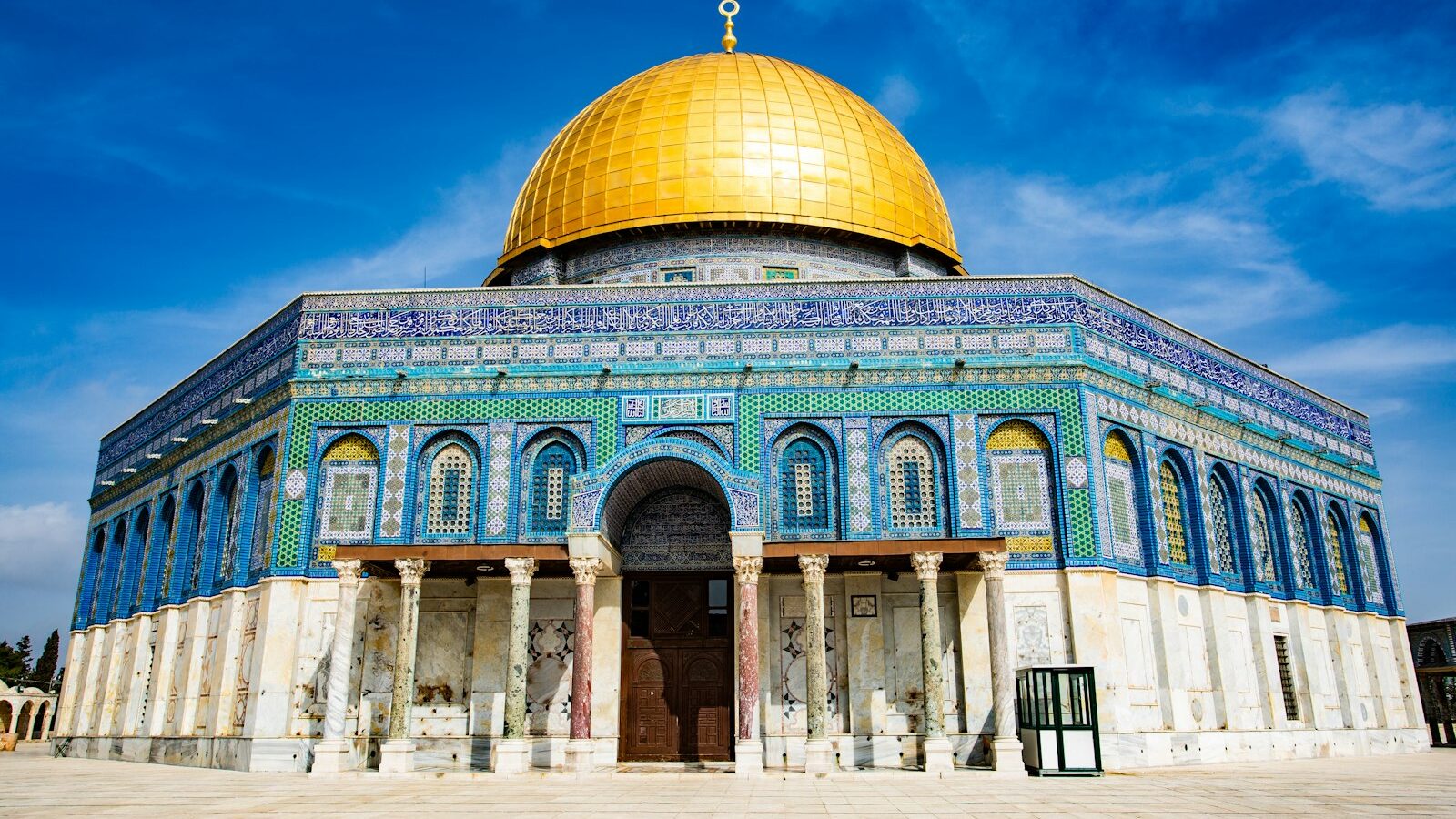
Mosques are a beautiful and significant part of Singapore’s religious and cultural landscape, serving as places of worship and community for the Muslim community. This guide explores the mosques of Singapore, their heritage, architecture, role in the community, and how to visit respectfully.
Heritage and significance
Mosques have long been central to the religious and community life of Singapore’s Muslim community, serving as places of worship, gathering and the preservation of faith and tradition. Ranging from historic, iconic mosques to neighbourhood ones serving local communities, they reflect the enduring presence and heritage of Islam in Singapore. Historically, mosques were focal points for communities, offering spiritual guidance, education and social connection, and they continue to play this central role today. As active places of worship and community, and often as architectural landmarks, the mosques are living heritage. Understanding their significance illuminates an important dimension of the Muslim community’s life and faith, and of Singapore’s religious diversity and multicultural heritage.
Architecture and features
| Feature | Significance |
|---|---|
| Domes and minarets | Iconic architectural elements |
| Prayer halls | Central spaces for worship |
| Beautiful design | Craftsmanship and Islamic artistry |
| Serene atmosphere | Spaces for devotion and reflection |
Mosques are often characterised by beautiful, distinctive architecture, frequently featuring domes, minarets and elegant design that reflect Islamic artistry and tradition. The iconic Sultan Mosque in Kampong Glam, with its golden domes, is among the most recognisable, but mosques across Singapore each have their own architectural character, from grand historic structures to modern designs. Inside, prayer halls provide central spaces for worship, and the design and details often reflect craftsmanship, beauty and a serene atmosphere conducive to devotion and reflection. The architecture of mosques, both historic and contemporary, contributes to Singapore’s built heritage and reflects the artistry and traditions of Islamic design. Appreciating this architecture enriches an understanding of the mosques and their cultural and religious significance.
The role of the mosque
Beyond being places of worship, mosques play a vital and multifaceted role in the community. They are centres for the five daily prayers and congregational worship, especially the important Friday prayers, and for religious education, guidance and community programmes. Mosques also serve as gathering places that foster community, connection and mutual support, and they play a central role during religious occasions and festivals. This multifaceted role, spiritual, educational and social, makes mosques important community anchors. They support the religious life, education and wellbeing of the community, embodying the values of faith, community and service central to Islam. Understanding this role illuminates the importance of mosques as living, active centres of community and faith, not merely buildings.
Festivals and community life
Mosques are especially vibrant during religious occasions and festivals, which are important expressions of faith and community. During the fasting month of Ramadan and the celebration of Hari Raya, mosques are centres of prayer, devotion, community gathering and festivity, reflecting the community’s faith and traditions. These periods see heightened activity, with congregational prayers, breaking of fast, and communal observances. Mosques also mark other religious occasions throughout the year. This vibrant community life, centred on the mosque, reflects the values of faith, community, generosity and togetherness central to Islam. Experiencing the atmosphere around a mosque during Ramadan or Hari Raya offers a meaningful window into the community’s devotion and the important role the mosque plays in its religious and social life.
Visiting respectfully
Visitors are often welcome at mosques, but respectful conduct is important. Dressing modestly, covering appropriately, removing shoes before entering prayer areas, and behaving quietly and considerately are expected. Be mindful of prayer times and worshippers, observe any guidelines, and avoid disturbing those in prayer. Some mosques offer guided visits or information for those wishing to learn. Approaching the mosque with respect, humility and curiosity enhances the experience and honours the sacredness of the space. Mosques are active places of worship, not merely attractions, so thoughtful conduct is essential. Visiting respectfully offers a rewarding opportunity to appreciate the architecture, atmosphere and community life of the mosque, and to gain insight into an important part of Singapore’s religious and cultural heritage.
The takeaway
Mosques are a beautiful and significant part of Singapore’s religious and cultural landscape, serving as places of worship, education and community for the Muslim community, and reflecting the enduring heritage of Islam. From iconic historic mosques to neighbourhood ones, they are living heritage and important community anchors, playing a multifaceted spiritual, educational and social role. Their distinctive architecture contributes to the nation’s built heritage, and they are especially vibrant during Ramadan and Hari Raya. Visiting respectfully, with humility and curiosity, allows appreciation of these sacred spaces and their community life. The mosques are a meaningful and enduring part of Singapore’s religious diversity and multicultural heritage, well worth understanding and appreciating.
Planning a visit: a practical checklist
A little preparation makes a mosque visit smoother and more meaningful. Because mosques are working places of worship first, timing and readiness matter more than they would at an ordinary attraction. The following steps help you arrive respectful and at ease.
- Check the prayer times first: The five daily prayers set the rhythm of the day, and the mosque is busiest around them. If you want a quieter look at the architecture and interior, aim for the gaps between prayers rather than the times themselves.
- Avoid Friday around midday: Friday congregational prayers draw large crowds and are the most significant of the week. Unless you have specifically arranged to observe, it is considerate to visit at another time so you are not moving against the flow of worshippers.
- Dress ready, but expect help: Wear modest, loose clothing that covers the shoulders and knees. Many mosques keep robes or shawls at the entrance for visitors who need them, so you are rarely turned away for being caught out.
- Ask before photographing: The domes and prayer halls are beautiful, but check whether photography is allowed and never photograph people at prayer without permission.
- Confirm access ahead of your trip: Visiting hours, guided tours and any entry arrangements vary from mosque to mosque, so check with the individual mosque or with MUIS (the Islamic Religious Council of Singapore) for current details before you go.
Common questions from first-time visitors
Newcomers, especially non-Muslim Singaporeans and visitors, often hesitate out of uncertainty rather than reluctance. A few honest answers usually settle the nerves.
Can non-Muslims enter? In general, yes. Many mosques welcome respectful visitors and some offer guided introductions, though access to certain areas may be limited during prayers. When in doubt, greet the staff at the entrance and ask.
Is there a separate area for women? Mosques typically have designated prayer areas for women, and signage or attendants can point you the right way. Following these arrangements is part of visiting considerately.
Is there an entry fee? Mosques are places of worship rather than paid attractions, so entry is generally free, though you may see donation boxes if you wish to contribute.
When is the best time to experience the atmosphere? Evenings during Ramadan carry a special warmth, but any quiet weekday between prayers is a gentle way to begin. Approach with curiosity and courtesy, and the visit will reward you.
Explore more: Kampong Glam heritage guide · Malay customs and traditions · Chinese temples and Taoism in Singapore