
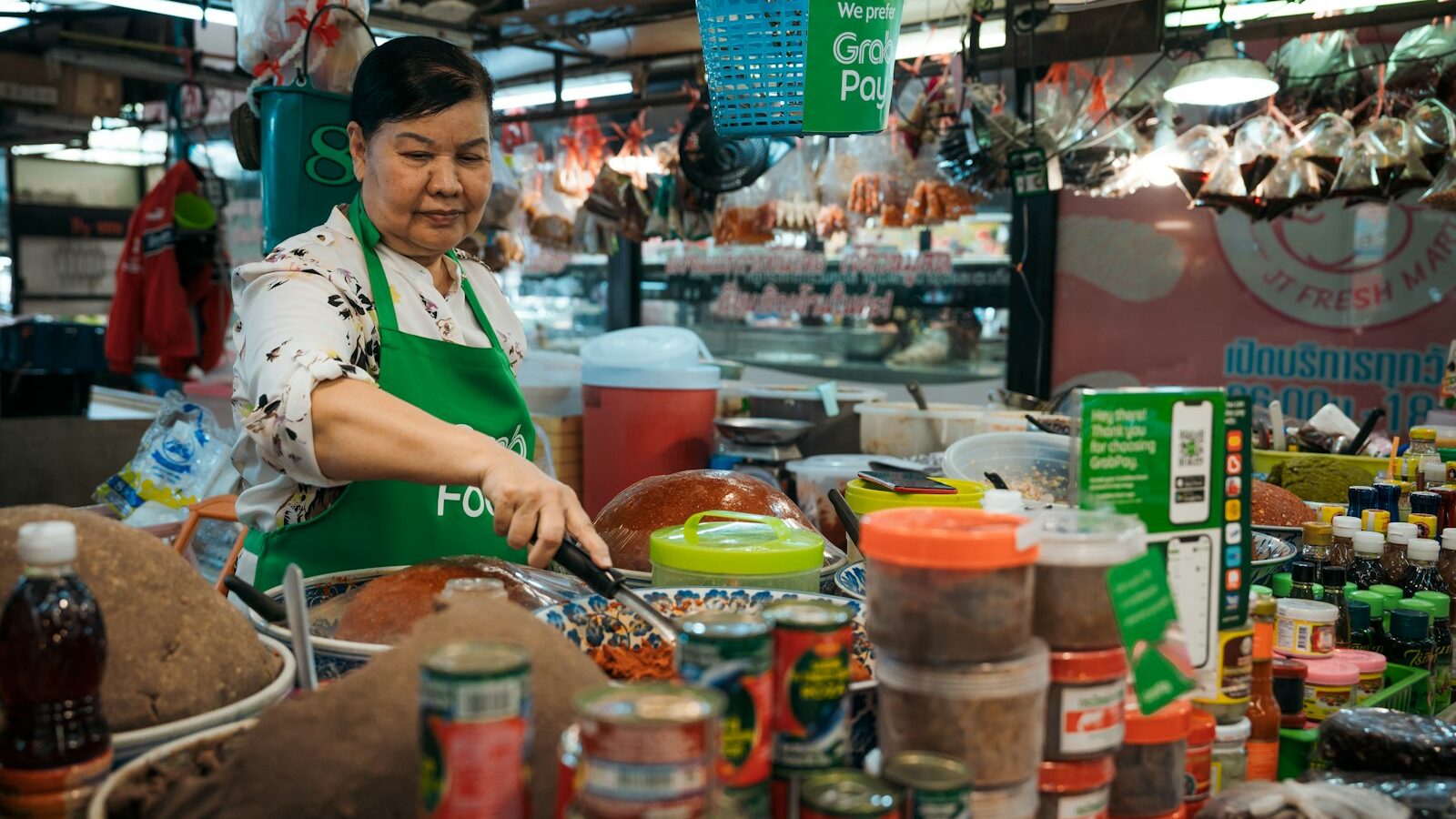
Few smells say Singapore breakfast quite like warm kaya on toast. Making kaya at home in Singapore is one of the friendliest food crafts a beginner can pick up, because the ingredient list is short and the technique is mostly patient stirring. Kaya is a soft coconut and egg jam scented with pandan, and once you have made your own, the shop versions never quite taste the same again. This guide walks you through the styles, the simple gear, and the safe habits that make it a relaxing weekend ritual rather than a chore.

What Kaya Is and the Two Main Styles
At its heart, kaya is a custard-like spread cooked slowly from eggs, sugar, and coconut milk, with pandan for aroma. There are two broad camps, and it helps to pick one before you start.
The Hainanese style is browner and richer, because the sugar is caramelised first, giving a deeper, toffee-like note. The Nyonya style is greener and lighter, coloured and perfumed by pandan, with no caramel step. Neither is better. They are simply different moods. Beginners often find the pandan style a touch more forgiving, since there is no hot-sugar stage to judge.
Kaya is a wonderful gateway hobby because it pairs so naturally with other home projects. It sits happily next to making local nyonya kueh at home, and a jar of homemade kaya turns plain artisan bread baking at home into a proper local breakfast.
The Gear and Ingredients to Begin
You almost certainly own most of what you need already. The two non-negotiables are patience and gentle heat, because kaya scrambles if rushed.
- A heatproof bowl and a pot for a double-boiler setup, or a heavy saucepan for direct low heat.
- A whisk and a heatproof spatula.
- A fine sieve to strain out any cooked egg bits for a smooth finish.
- Clean glass jars with lids for storing.
Ingredients are just eggs, sugar, coconut milk, and pandan leaves. Fresh coconut milk gives the best flavour, though packaged works fine for practice. Here is a rough guide to how makers tend to build up.
| Tier | Setup | Best for |
|---|---|---|
| Budget | Existing pot and whisk, packaged coconut milk, one small jar | A first trial batch |
| Mid | Double-boiler bowl, fine sieve, fresh coconut milk | Regular weekend making |
| Premium | Heavy-based pot, thermometer, several storage jars | Frequent makers chasing consistency |
Prices vary, so check current retail. You do not need premium gear to make lovely kaya.
The Slow-Cooking Craft
The whole skill of kaya is low, steady heat and constant stirring. Over a double boiler, the mixture thickens gently into a spreadable jam over a fairly long, meditative stretch of stirring. Many hobbyists say this is the calming part, a bit like the slow attention that draws people to home coffee brewing as a hobby.
Do not chase speed with high heat. If the eggs cook too fast you get sweet scrambled egg rather than smooth jam. Straining at the end fixes minor lumps, but the real fix is patience. Your first batch teaches you what “thick enough” looks like on your spatula. Take notes so batch two is better.
Food Safety and Egg Handling
Kaya contains cooked egg and coconut milk, so treat it with care, especially in our warm, humid climate. This is general food-safety information, not medical or nutrition advice.
- Use fresh eggs, wash your hands, and keep bowls and utensils clean.
- Cook the mixture thoroughly and gently until properly set. Undercooked egg is a food-safety risk. Following a tested recipe from a trusted source, and using a thermometer if you have one, helps you cook it to a safe, stable custard.
- Cool the finished kaya, then keep it refrigerated in a clean, sealed jar rather than in the cupboard. Homemade kaya has no preservatives, so it does not last like shop jars.
- Use it within a short window, always with a clean spoon, and never double-dip.
- If it smells sour, tastes off, or has been left warm too long, when in doubt throw it out.
On allergens, kaya obviously contains eggs and coconut, and toast pairings bring gluten and dairy into play. Mention this if you are sharing.
Starting Small and Enjoying the Ritual
The gentlest start is a small batch you can finish within a few days. Halve a tested recipe so an imperfect result costs little, and expect to adjust sweetness and thickness to your own taste over several tries. Keep a simple log of what you changed each time.
For community, many neighbourhood cooking groups and online home-cook forums happily share kaya tips, and some community clubs run heritage breakfast or cooking sessions from time to time. If this sparks a wider interest in local food crafts, how to find a new hobby in Singapore is a good jumping-off point for related ideas.
Making kaya at home in Singapore rewards patience with a jar of something genuinely yours. Spread it on warm toast, share it with family, and enjoy the slow, fragrant process as much as the result.
Frequently Asked Questions
How long does homemade kaya keep in the fridge? Not as long as shop-bought jars, because homemade kaya has no preservatives. Keep it chilled in a clean, sealed jar and aim to finish it within a few days. Always use a clean spoon, and throw it out if it smells sour or tastes off.
Why did my kaya turn into sweet scrambled egg? The heat was too high or the mixture was stirred too little, so the eggs set before the jam could thicken. Kaya needs gentle heat and steady stirring, ideally over a double boiler. Straining can rescue small lumps, but a badly curdled batch usually cannot be saved.
Can I use packaged coconut milk instead of fresh for kaya? Yes, packaged coconut milk works fine, especially for practice batches. Fresh coconut milk tends to give the best flavour, so you may notice a difference once you are comfortable. Pick a style, then adjust sweetness and thickness to your own taste over a few tries.
Is Nyonya or Hainanese kaya easier for a beginner? The Nyonya pandan style is usually more forgiving, because there is no caramel step and no hot-sugar stage to judge. Hainanese kaya is browner and richer, with a toffee-like note from caramelised sugar. Try the pandan style first, then move on once you are confident.
Is homemade kaya safe to eat if the egg is only lightly cooked? Undercooked egg is a food-safety risk, so the mixture should be cooked through until it sets into a stable custard. A thermometer helps if you have one. Pregnant women, young children, and older adults should be especially careful, and a doctor can advise on specific health concerns.