
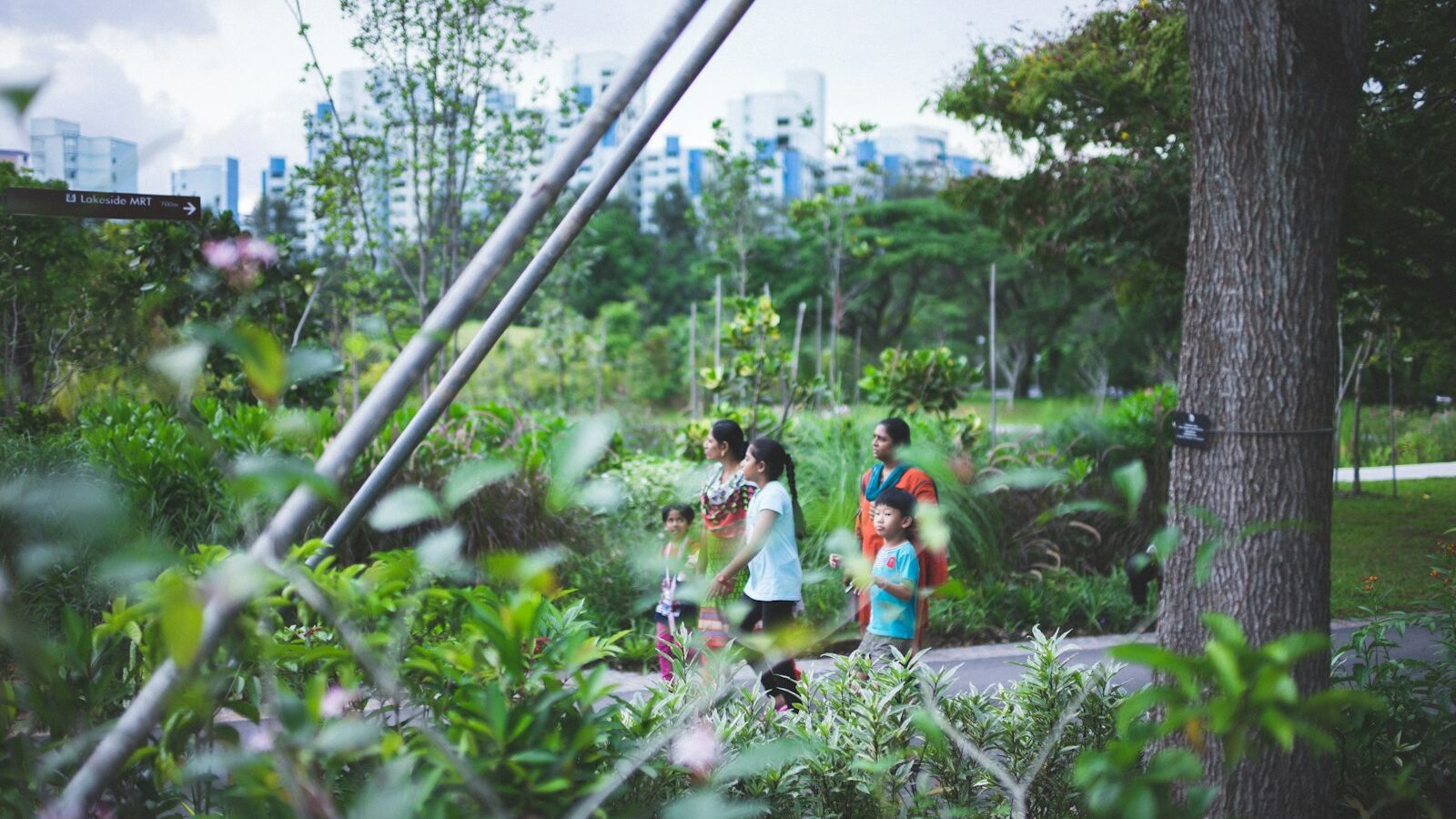
Children soak up habits long before they understand words like “carbon” or “biodiversity”, which makes the early years a wonderful time to plant the seeds of green living. The good news for busy families is that teaching kids sustainability in Singapore does not need worksheets, lectures or guilt. It works best when it is playful, hands-on and woven into ordinary days: sorting the recycling together, spotting a kingfisher at the park, turning an old jar into a pencil holder. This guide offers age-appropriate, doable ideas for local families who want to raise thoughtful, eco-conscious kids without turning every moment into a lesson.
Start With Fun, Not Facts
Young children learn through play and repetition, so the aim is to make caring for the environment feel natural and enjoyable rather than a chore. If sustainability arrives wrapped in worry, it can overwhelm a small child; if it arrives as curiosity and small wins, it sticks.
A few gentle principles help:
- Lead with wonder. A child who loves watching ants, geckos and mynahs will grow up wanting to protect nature. Delight comes first, responsibility follows.
- Keep it concrete. “We turn off the tap so we do not waste water” lands better than abstract talk about the planet.
- Celebrate small wins. Praise the effort of remembering to bring a reusable bottle, rather than expecting perfection.
- Avoid scaring them. Heavy climate fear can leave children anxious and helpless. Focus on what your family can do together.
The goal is a child who feels capable and hopeful, not one who feels the weight of the world.
Everyday Green Habits at Home
Home is where habits form, and an HDB flat offers plenty of small, teachable moments. Children love having a real job, so give them ownership of simple green tasks.
- Sorting recycling. Let kids help rinse and drop clean paper, plastic, metal and glass into the blue recycling bin. Turning it into a sorting game teaches what belongs where. Because rules on what can go in change over time, it is worth checking the current list on the National Environment Agency (NEA) website together as a mini activity.
- Saving water and energy. Make it a game to switch off lights when leaving a room, or to keep showers short with a fun timer. In our warm climate, talk about opening windows for a breeze before reaching for the aircon.
- Less food waste. Involve children in finishing leftovers and understanding that food takes effort to grow and bring to the table.
- A reusables kit. Give each child their own water bottle and foldable bag to bring out, so refusing single-use items becomes second nature.
These tasks are small, but repeated daily they teach that resources are precious and that everyone in the family plays a part.
Getting Hands Dirty: Gardening, Nature and Crafts
Nothing beats direct experience, and Singapore’s City in Nature gives families rich, mostly free, ways to connect children with the living world.
- Grow something. Even a pot of kangkong, cherry tomatoes or herbs on a corridor or in a community garden teaches patience, care and where food comes from. Children who grow a plant are often prouder to eat it.
- Nature walks. Parks, park connectors and nature reserves are open-air classrooms. NParks reserves and gardens let kids spot birds, otters, monkeys and insects up close. A simple “what can you find” scavenger list keeps little ones engaged.
- Upcycling crafts. Turn packaging into treasure: an egg carton becomes a caterpillar, a milk bottle becomes a plant pot, old fabric becomes a doll’s blanket. Upcycling shows that “rubbish” often has another life.
- Beach and park clean-ups. Joining a family-friendly clean-up shows in the clearest way why litter matters, and gives children a real sense of having helped.
Getting hands dirty turns sustainability from an idea into a memory, and memories are what children carry into adulthood.
Matching Activities to Your Child’s Age
Children are ready for different ideas at different stages, so it helps to match the activity to where they are. The table below pairs age-appropriate activities with the underlying lesson, as a rough guide rather than a strict rulebook, since every child is different.
| Age group | Activity to try | Lesson it teaches |
|---|---|---|
| Toddlers (2 to 4) | Watering a plant, “spot the bird” walks, putting a can in the right bin | Nature is fun; small actions matter |
| Young children (5 to 7) | Sorting recycling, growing herbs, upcycling craft projects | Waste can be reused; food is grown with care |
| Older children (8 to 10) | Timing showers, tracking switch-offs, helping plan low-waste meals | Saving water and energy; reducing waste at home |
| Tweens (11 to 12) | Joining an eco club, a park clean-up, a repair or fix-it project | Community action; caring for shared spaces |
Let children move at their own pace. The point is steady, joyful exposure, not ticking every box by a certain birthday.
School, Eco Clubs and Leading by Example
Much of a child’s green learning happens beyond the front door, and the two biggest influences are their school and, quietly but powerfully, you.
Many Singapore schools weave environmental care into lessons and activities, from recycling corners to gardening programmes and student eco clubs. Ask your child what their school does, and encourage them to join a green club or take part in initiatives tied to the Singapore Green Plan’s push to nurture eco-conscious young people. Showing genuine interest in these efforts tells your child that this matters.
The most powerful teacher, though, is example. Children copy what they see far more than what they are told. If they watch you bring your own bag, sort recycling without fuss, choose to walk or take public transport for short trips, repair rather than replace, and speak about nature with warmth, they absorb those values as simply “how our family lives”. You do not need to be a perfect, zero-waste household; children benefit just as much from seeing you try, make mistakes and keep going. That honest, relaxed modelling, more than any lecture, is what raises a genuinely eco-conscious child.
Teaching kids about sustainability in Singapore, in the end, is less about instruction and more about invitation: inviting them to grow something, notice something, reuse something and care about the shared world around them. Keep it playful, keep it local, keep it forgiving, and you give your children both good habits and a hopeful, capable relationship with the planet they will inherit.
Explore more
Want a project the whole family can dig into? Our guide to growing your own food in Singapore is a perfect starting point for little green thumbs. And to fuel your children’s love of the outdoors, biodiversity and urban wildlife in Singapore shows what to look for on your next nature walk.
Related across Sky Media: Teaching Kids Critical Thinking: A Practical Singapore Guide · Teaching Your Children About Money in Singapore