
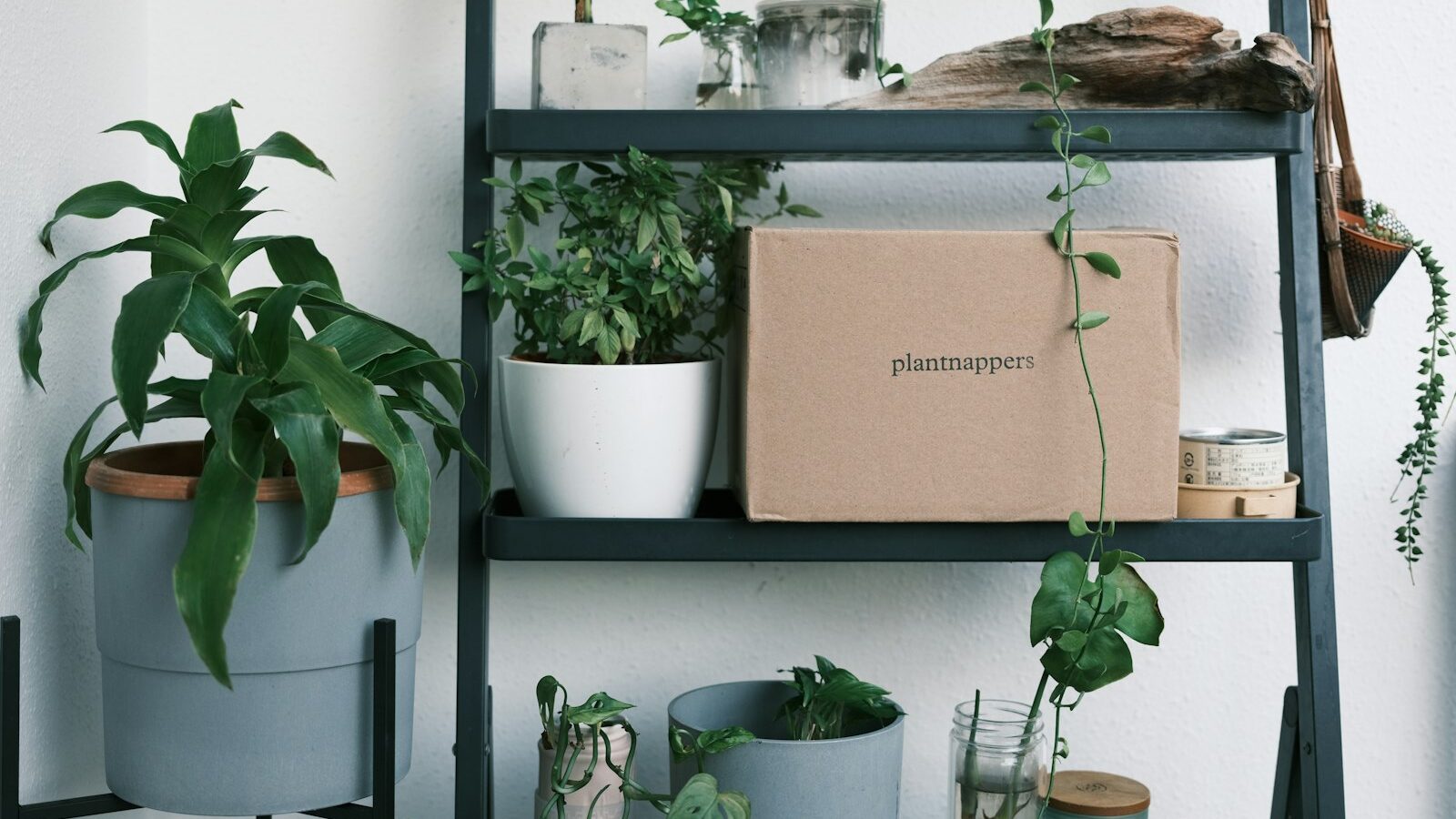
Plants for your bedroom are less about hard cleaning power and more about how a room feels. A pot of greenery on the dresser or a trailing vine above the headboard makes a bedroom calmer, softer and more restful, which is exactly what you want in the room where you unwind. In a compact Singapore flat, a well chosen plant also adds life to a space that can otherwise feel purely functional.
This guide covers what makes a bedroom a slightly tricky spot, the best low fuss plants, the truth about plants and sleep, and how to keep them healthy next to the aircon.
What a Bedroom Asks of a Plant
Bedrooms in Singapore homes come with a particular set of conditions. Many are air conditioned at night, which dries the air and cools the room, and the aircon draught can crisp tender leaves. Light is often moderate at best, since curtains stay drawn and the window may face a corridor or another block. And because it is a room for rest, you want a plant that is quiet to care for, not one that constantly demands attention or drops leaves everywhere.
So the ideal bedroom plant is tough, tolerant of low to medium light, relaxed about missed watering, and unbothered by dry aircon air. Fortunately that describes some of the easiest houseplants around, which is why a bedroom is a great place for a first plant.
The Best Low Fuss Bedroom Plants
These picks look good, cope with real bedroom conditions, and ask very little of you.
- Snake plant: The classic bedroom plant. Nearly indestructible, tolerant of low light and dry air, and happy to be forgotten.
- ZZ plant: Glossy, drought proof and calm in a dim corner, perfect if you travel often.
- Pothos (money plant): A trailing vine for a shelf or the top of a wardrobe, easy going and quick to grow.
- Aglaonema (Chinese evergreen): Colourful and low light tolerant. See our guide to caring for aglaonema.
- Cast iron plant: Made for gloom and neglect, a great choice for a darker bedroom. More in our cast iron plant guide.
- Spider plant: Cheerful, safe around pets, and easy to grow on for friends.
- Peace lily: Enjoys shade and adds a white flower, though it likes a touch more humidity than aircon provides.
Matching a Plant to Your Bedroom
Different bedrooms suit different plants. Use this to decide.
| Plant | Light needed | Aircon tolerance | Care level |
|---|---|---|---|
| Snake plant | Low to bright | High | Very easy |
| ZZ plant | Low to medium | High | Very easy |
| Pothos | Low to bright | Medium | Easy |
| Spider plant | Medium, indirect | Medium | Easy |
| Peace lily | Low to shade | Lower | Moderate |
The Truth About Plants and Sleep
You may have read that bedroom plants purify the air while you sleep or boost the oxygen you breathe overnight. Be a little sceptical. As with air purifying plants generally, the real world effect on air quality from a few pots is very small, far too small to change how you breathe at night. A common myth is that plants make a bedroom unsafe by using up oxygen after dark. The amount they use is tiny and completely harmless, so there is no need to move them out at bedtime.
Where plants genuinely help is psychological. Tending greenery lowers stress, and a leafy, restful looking room supports the wind down routine that actually improves sleep. Enjoy them for the calm they bring rather than any medical claim. Keeping the room cool, dark and screen free at night will do far more for your sleep than any plant. This is general wellbeing information, not medical advice.
Keeping Bedroom Plants Happy Next to Aircon
The aircon is the main challenge. Cold, dry air blowing directly onto leaves causes browning tips and stress, so position pots away from the direct path of the unit and any fan. Because aircon dries the air, humidity lovers like ferns tend to struggle in a bedroom, which is why the hardy, drought tolerant plants above are a better fit.
A simple routine keeps them thriving:
- Water only when the top of the soil feels dry, checking with a finger rather than guessing.
- Make sure every pot drains freely and never sits in a full saucer.
- Empty saucers after watering, since standing water breeds Aedes mosquitoes that spread dengue. Follow the NEA Mozzie Wipeout habits and change any cuttings water every couple of days.
- Give plants a weekly turn towards the light so they grow evenly.
- Wipe dust off the leaves now and then so they can use what light there is.
Open the curtains during the day to give plants a proper dose of light, and consider a spot near the window for anything that wants a bit more brightness. Grouping two or three pots together also raises the humidity around them slightly, which takes the edge off the dry aircon air and helps the leaves stay green. If you notice brown, crispy tips, that is almost always a sign the plant is sitting too close to the cold draught or drying out between waterings, so move it and check the soil more often.
Safety Around Beds, Children and Pets
Some bedroom favourites are toxic if chewed. Pothos, peace lily and aglaonema and the wider aroid family contain irritating crystals, and snake plant and ZZ plant are mildly toxic too. This rarely matters for an adult, but if a child sleeps in the room or a cat likes to nap on the bed, keep these plants out of reach or choose a safe option like a spider plant. Wear gloves and wash your hands when you cut stems, and seek medical or veterinary help if someone swallows part of a toxic plant. This article is general information for home gardeners, not medical or veterinary advice.
Explore more: green up the rest of the flat with our guides to air purifying plants and plants for your work desk.