
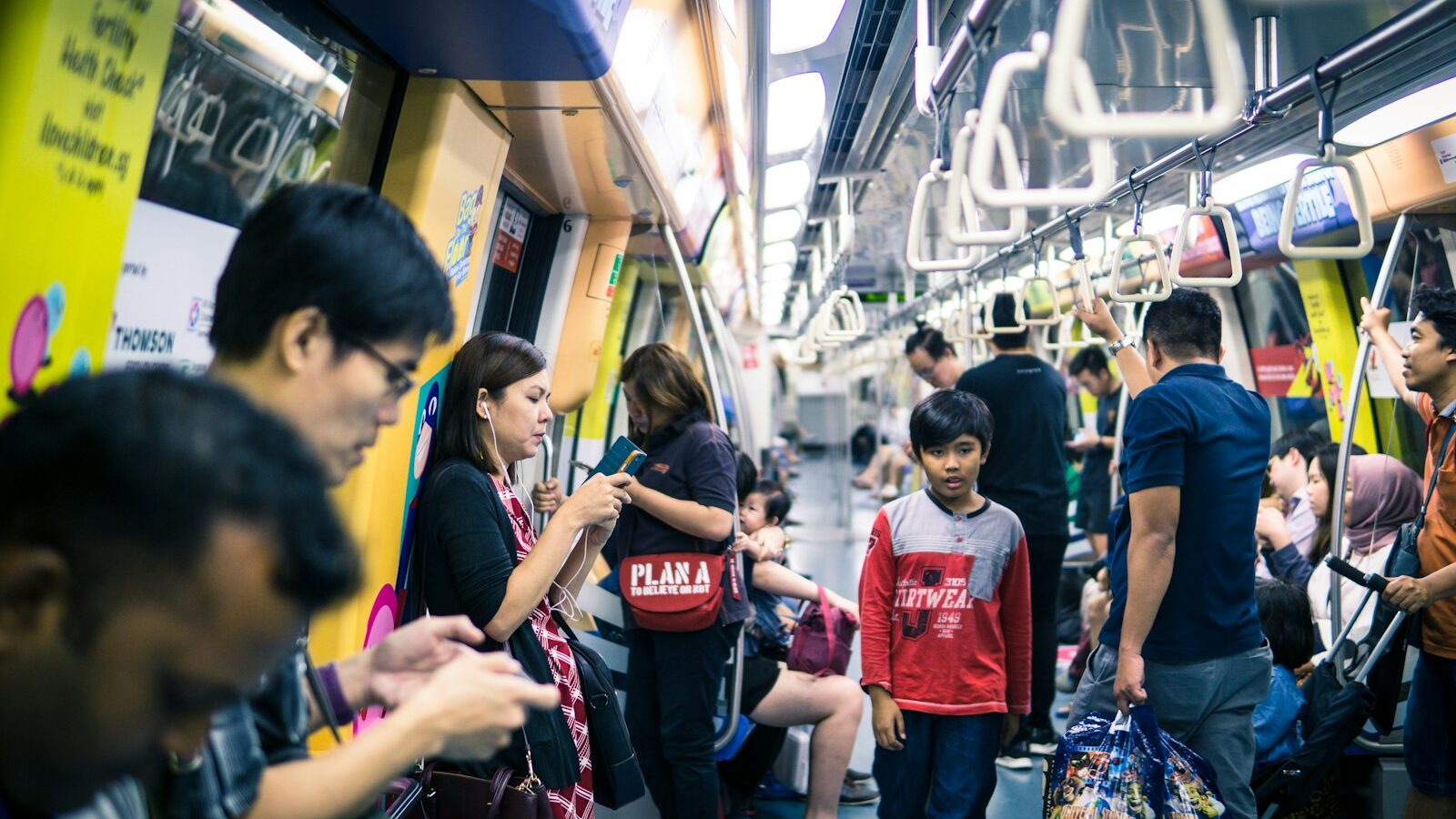
Few things unsettle a smooth commute like the words “service delay” flashing across a platform screen. An MRT disruption Singapore commuters face is usually short and well managed, but the moments after the announcement can feel confusing, especially in a crowded station during the morning rush. Knowing what to do turns a stressful surprise into a manageable detour.
This guide sets out calm, practical steps for both train and bus disruptions. It is general information. For live updates and the final word on any incident, always defer to the transport operators and to the Land Transport Authority (LTA), whose official channels carry the accurate picture in real time.

Stay Calm and Get the Facts
The single most useful thing you can do is pause and check a trustworthy source before reacting. Rumours spread quickly on a packed platform, and acting on a half-heard announcement can send you the wrong way.
Reliable places to check include:
- The operator’s own app and official social media updates.
- Station announcements and staff on the ground, who often have the newest information.
- LTA travel information channels for a wider view of the network.
Look for three things: which stretch of line is affected, roughly how long it may last, and what alternative is being offered. Once you have those, you can make a sensible decision instead of guessing.
Use the Free Bridging Buses
When a stretch of train line is suspended, operators typically roll out free bridging bus services along the affected stretch. These run between the stations that are cut off and are provided at no charge during the disruption. Follow the directions of station staff, who will point you to the right pick-up point, and be patient, as bridging buses fill up fast when many commuters need them at once.
If bridging buses are crowded, consider whether a regular parallel bus route, another train line, or even a short walk to the next working station gets you moving sooner. Singapore’s network is dense enough that there is often more than one way to reach your destination.
Bus disruptions work a little differently. When a single bus service is delayed or diverted, the fix is usually to hop on another route heading the same way or to walk to a nearby stop on a parallel line. Because buses are more flexible than trains, a diversion often clears faster than a train fault, but it can also be less obvious, so keep an eye on the arrival boards and the operator’s app for the latest position.
Give Yourself Time and a Backup Plan
Disruptions rarely arrive at convenient moments. If you are heading to something time-sensitive, such as work, an exam or a flight, build in a buffer whenever you can. On a normal day this might mean leaving a little earlier if you have already seen news of an ongoing incident.
A few habits make delays far less painful:
- Keep your phone charged and carry a small power bank.
- Save a couple of alternative routes in a maps app before you travel.
- Message anyone waiting for you early, so they are not left wondering.
- Keep some fare value or a backup payment method ready for buses or a taxi.
None of this stops a disruption, but it keeps you in control of your own morning rather than at the mercy of the timetable.
Comparing Your Options
Here is a simple way to weigh up what to do when a line is down.
| Option | Best when | Keep in mind |
|---|---|---|
| Free bridging bus | The affected stretch is short | Expect queues in peak hours |
| Alternative train line | An interchange is nearby | May involve a longer route |
| Regular public bus | A parallel route exists | Slower in heavy traffic |
| Taxi or ride-hail | You are truly pressed for time | Costs more; roads may be busy |
| Wait it out | The fix looks quick | Only if you have the time to spare |
Looking After Yourself and Others
Crowds can build quickly during a disruption, so move with care on stairs, escalators and platform edges, and follow staff directions even when you are in a hurry. If you see someone who is elderly, pregnant, unwell or travelling with young children, a little patience and a shared piece of information goes a long way. Singapore’s commuting culture is generally orderly, and keeping that calm during a disruption helps everyone get through it faster.
If the weather is hot and you are waiting outside for a bridging bus, stay hydrated and step into shade where you can. Small comforts matter when a short wait stretches on. A calm, friendly word to a fellow commuter can also lift the mood of a whole platform, and it costs nothing to offer.
Refunds and Claims
For longer or more serious disruptions, operators sometimes offer goodwill arrangements, and there are established ways to raise a claim if a delay caused you real inconvenience. The correct route is always through the operator’s official customer service channels rather than informal appeals.
Keep any relevant details to hand, such as the date, the affected line and roughly when you were held up. Do not assume the amount or the process, as these are set by the operator and can differ from case to case. Their published guidance and LTA information will tell you what applies and how to submit a request properly.
The overall message is straightforward. During an MRT disruption Singapore travellers who check official sources, use the free bridging buses, allow a buffer and stay calm almost always reach where they are going. Keep a cool head, lean on the official channels, and treat the delay as a detour rather than a disaster.
Explore more
Singapore Public Transport Guide
SimplyGo and Concession Cards Explained
Chope and Queue Culture
Singapore Social Norms
Frequently Asked Questions
Are free bridging buses available for every MRT disruption? Not necessarily for every incident. When a stretch of line is suspended, operators typically run free bridging buses between the cut-off stations, but this depends on the situation. Check the operator’s app, station staff and LTA channels for what is being offered.
How can I tell how long a train delay will last? Check the operator’s app and official social media, station announcements and staff, and LTA travel information channels. Look for the affected stretch, the likely duration and the alternative offered. Estimates can change, so recheck before deciding to wait.
Can I claim anything if an MRT delay made me late for work? For longer or more serious disruptions, operators sometimes offer goodwill arrangements, and there are established ways to raise a claim. Go through the operator’s official customer service channels. Note the date, line and time you were held up, and do not assume the amount.
What if I have a flight or exam and the line goes down? Treat it as time-critical. Switch quickly to another train line, a parallel bus route or a taxi or ride-hail, and tell anyone waiting for you early. Next time, build in a buffer if you have already heard of an ongoing incident.
How do bus disruptions differ from train disruptions? Buses are more flexible, so a diversion often clears faster, but it can be less obvious. Hop on another route heading the same way, or walk to a stop on a parallel line, and watch arrival boards and the operator’s app for the latest position.
Official sources: Land Transport Authority (LTA)
Further reading: The MyTransport.SG App Guide