
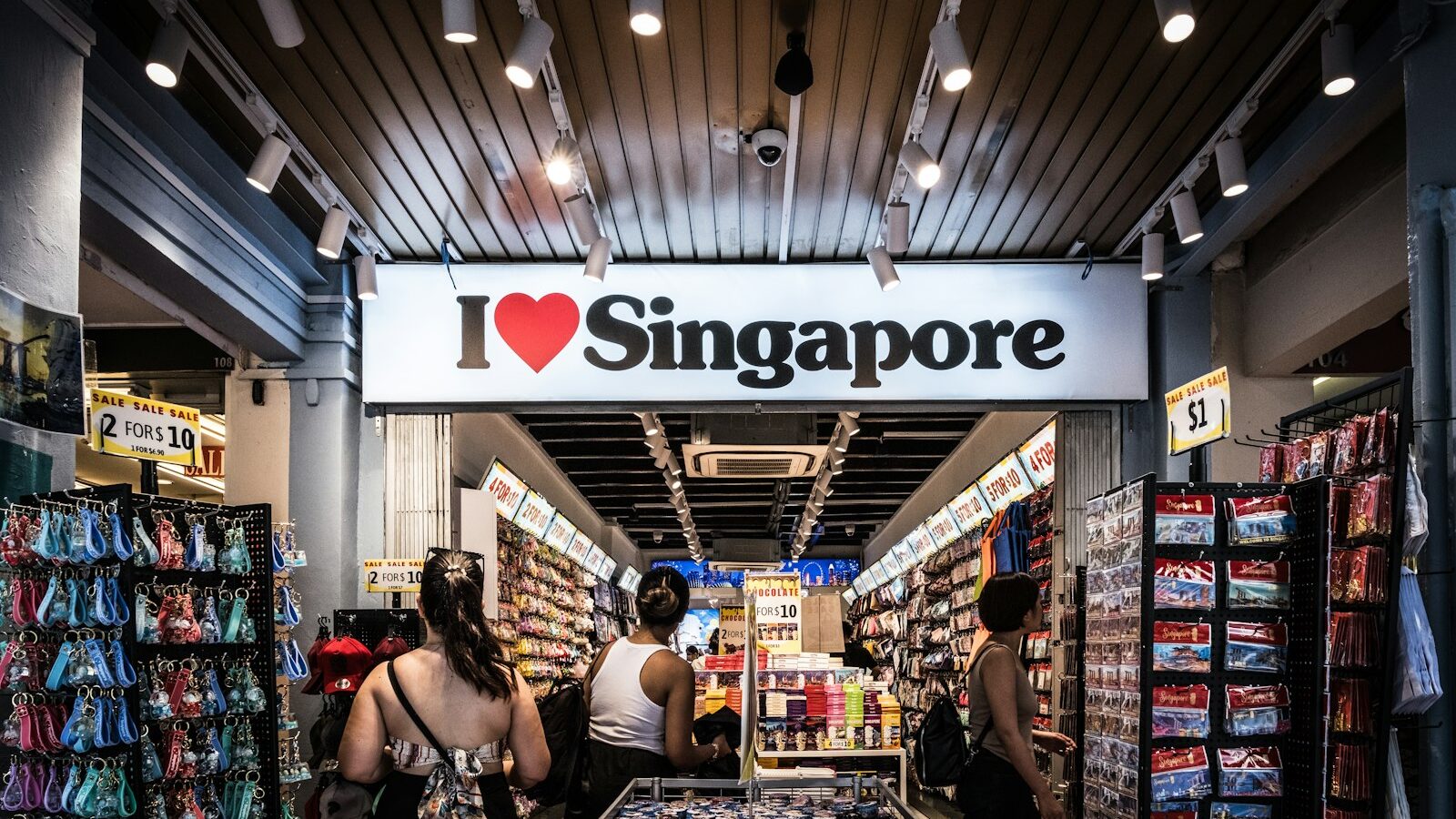
A new shop needs a sign, and most owners want it up before opening day. But a signboard is not only a branding decision. Depending on its size, position and whether it is lit, shop signage approval in Singapore can involve the Building and Construction Authority (BCA), your landlord, HDB or the town council, and sometimes the Urban Redevelopment Authority (URA). Skipping a step can mean a removal order, a fine or a costly redo.
This guide explains the layers of approval for a typical shopfront sign. It is general information, not legal advice. Signage rules have been revised over the years and can change again, so confirm current requirements with BCA and the other bodies named before you commit to fabrication.

The Three Layers of Approval
Think of signage approval as three separate questions. A sign needs to pass all three:
- Regulatory approval. Is the sign allowed under Singapore’s rules on outdoor advertisements and building safety? This is mainly BCA’s area, with URA involved in conservation areas and other agencies for specific locations.
- Property approval. Does the owner or manager of the building allow it? This could be your mall landlord, a private building’s management corporation (MCST), HDB for HDB shops, or the town council for common property.
- Safety and installation. Is the sign built and installed safely, with any electrical work done by licensed professionals?
Many owners only think about the first question and are surprised when the landlord rejects their design, or vice versa. Ask both early.
BCA Rules on Advertisements and Signs
BCA regulates advertisements and signs displayed on or around buildings to keep them safe and orderly. Whether your specific sign needs a licence or approval depends on factors such as:
- Size and dimensions of the sign.
- Position, for example flat against the facade, projecting outward, on a canopy or on the roof.
- Whether it is illuminated or uses moving or digital displays.
- What it shows. A sign naming the business on its own premises is often treated differently from third-party advertising.
- Location, including whether the building faces a major road or sits in a special control area.
Over the years, BCA has simplified rules for many simple business signs on a company’s own premises, while larger, projecting or digital signs typically need more checks, sometimes including structural endorsement by a Professional Engineer (PE). Rather than relying on what a neighbouring shop did, check BCA’s current advertisement and signage pages, and the GoBusiness Licensing portal, which lists licences by business activity.
Digital screens visible from the street deserve extra care. Brightness, animation and placement can all raise regulatory questions, especially near roads where they could distract drivers. If you are planning screen-based signage, our outdoor digital signage buyer’s guide covers the hardware side, but the approval questions here still apply.
Landlord, HDB and Town Council Consent
Even when a sign is allowed by regulation, the property owner has the final say over their building.
- Shopping malls usually have a design manual or fit-out guidelines that set sign size, materials, lighting and font placement. The mall’s fit-out or tenancy team typically reviews drawings before you install anything.
- HDB shops are subject to HDB’s rules for commercial premises. Tenants and owners generally need HDB’s approval for signboards, and installations on common property may also involve the town council.
- Private commercial buildings with strata titles are managed by an MCST, the management corporation of the building’s owners. Its by-laws often control the facade and signage.
- Shophouses may have their own landlord requirements on top of URA’s conservation rules.
Get approvals in writing. Verbal “should be fine” assurances from a building manager are not enough if a dispute arises later.
Special Cases: Conservation Areas and Lit Signs
Conservation areas. If your shop is in a conserved shophouse, for example in historic districts, URA has conservation guidelines on signs. These often control size, position, materials and lighting so the sign respects the building’s character. Approval may be needed before installation. Check URA’s conservation guidelines and speak to a qualified person, such as an architect, if the works are significant.
Illuminated signs. Lit signs involve electrical work. Use a licensed electrical worker for wiring and connections, and make sure the installation meets electrical safety standards. Your landlord may also require certification or inspection before the sign is switched on.
Temporary signs and banners. Grand opening banners, standees on common corridors and flyers on walkways can raise separate issues with the building owner, town council or other authorities. Do not assume a temporary sign is automatically exempt.
A Quick Comparison of Common Sign Types
| Sign type | Who typically needs to agree | Points to check |
|---|---|---|
| Flat fascia sign with business name, mall unit | Mall landlord, possibly BCA depending on size | Mall design manual, size limits, lighting rules |
| Projecting or hanging sign over a walkway | Landlord or HDB, BCA | Structural safety, clearance height, PE endorsement |
| Illuminated or LED sign on an HDB shop | HDB, town council, BCA if size or type requires | Electrical safety, brightness, licensed installer |
| Digital screen facing a public road | Landlord, BCA, possibly other agencies | Brightness, moving content, road safety concerns |
| Sign on a conserved shophouse | URA, landlord, BCA where applicable | Conservation guidelines on size, materials, placement |
This table is a guide to who to ask, not a final answer. Confirm with each body for your specific sign.
A Practical Approval Checklist
Work through these steps before you place a fabrication order:
- Read your lease or tenancy agreement for signage clauses.
- Request the landlord’s or mall’s signage guidelines and any approval form.
- Check BCA’s current rules on whether your sign size and type need a licence or approval.
- Check URA’s guidelines if you are in a conservation area.
- Get drawings from your sign maker showing dimensions, materials, mounting and lighting.
- Engage a PE if the sign is large, projecting or structurally significant.
- Submit and wait for written approvals before installation.
- Use licensed professionals for electrical work, and keep certificates.
- Diarise renewals if your licence or approval has a validity period.
A good signage contractor will know many of these steps, but you remain responsible as the business owner. Ask your contractor which approvals they will handle and which you must obtain yourself.
Avoiding Costly Mistakes
The most common problems are installing before approval, ignoring the mall design manual, and choosing a sign that is too large for the space allowed. Each can lead to removal at your expense. Build approval time into your opening schedule, and keep a simple file with drawings, approvals and certificates in case questions come up later.
For related reading on permits in public spaces, see where you need a permit to shoot photos in Singapore, and for food businesses planning indoor screens, our piece on digital menu boards for restaurants.
Frequently Asked Questions
Can I put up a grand opening banner without any approval? Do not assume so. Temporary banners, standees in common corridors and flyers on walkways can raise separate issues with the building owner, town council or other authorities. Ask your landlord or town council before putting anything up.
Does my sign maker handle the approvals, or do I? You remain responsible as the business owner, even if the contractor knows many of the steps. Ask the contractor in advance which approvals they will obtain and which you must handle yourself, and get written confirmation.
When does a shop sign need a Professional Engineer? Larger, projecting or structurally significant signs typically need extra checks, sometimes including endorsement by a Professional Engineer. Smaller flat signs often do not. Check BCA’s current advertisement and signage pages for your sign’s size and type.
What if my landlord rejects a sign that already meets regulations? The property owner has the final say over their building, so a sign can be legal yet still refused. Mall design manuals and MCST by-laws often limit size, materials and lighting. Raise the design with the landlord early, and get any approval in writing.
How much time should I allow for signage approval before opening? Build approval time into your opening schedule, since installing before approval can lead to removal at your own cost. Timelines vary by agency and sign type, so ask the landlord and check BCA, and URA if in a conservation area, before placing a fabrication order.
Official sources: URA
Further reading: URA Change of Use Approval for Commercial Premises · How to Start a Thrift or Vintage Shop